Category: Medications - Page 3

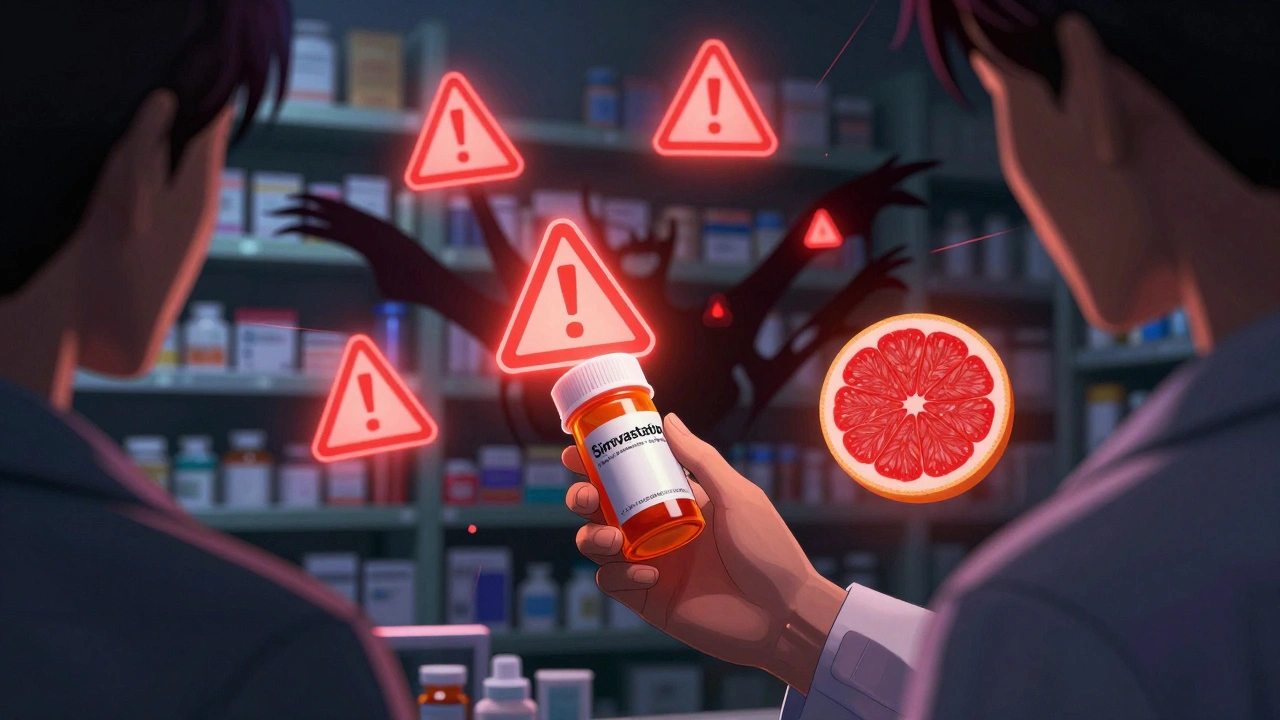
Drug Interactions with Specific Statins: Class Effects and Differences

Drug Interactions with Specific Statins: Class Effects and Differences

Statins lower cholesterol and save lives, but not all are safe with every medication. Learn which statins have the highest drug interaction risks and how to choose the safest one for your unique mix of prescriptions.

Read More
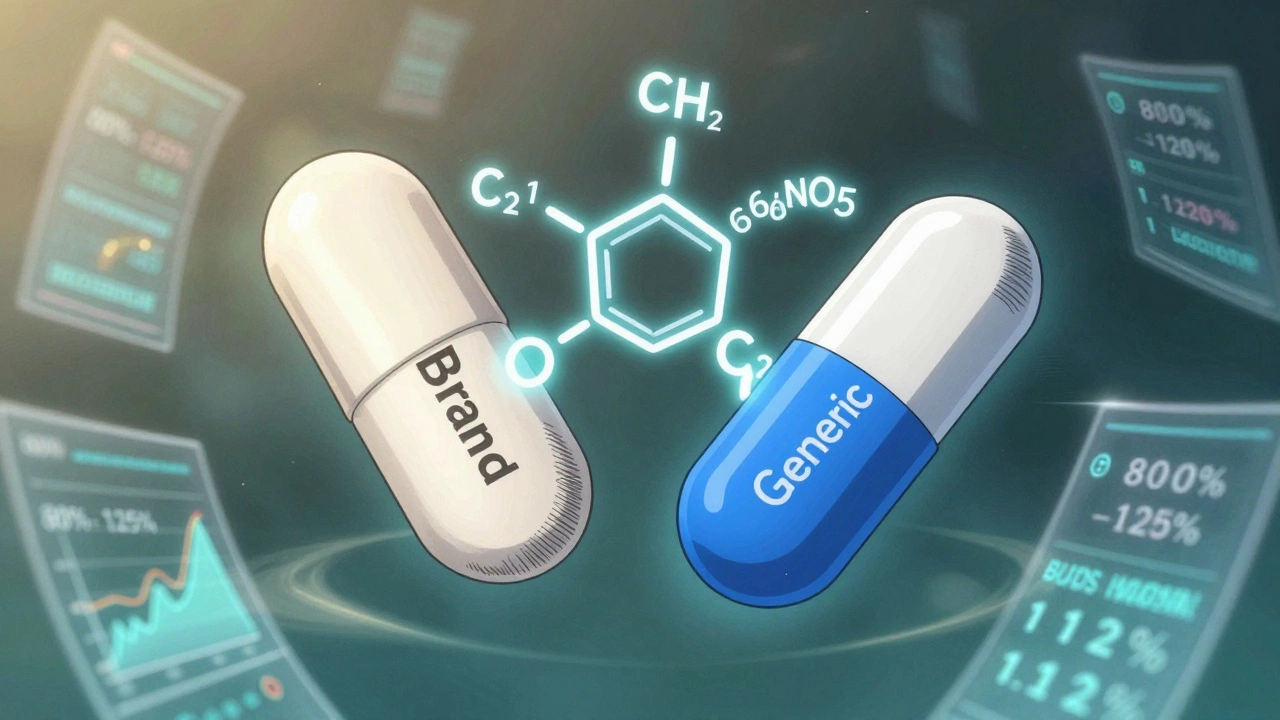
Active Ingredients: Are Generic Drugs Really the Same as Brand-Name Drugs?

Active Ingredients: Are Generic Drugs Really the Same as Brand-Name Drugs?

Generic drugs contain the same active ingredients as brand-name drugs and are proven to work just as well. Learn how the FDA ensures equivalence, why generics save billions, and when you should still be cautious.

Read More
What Are Biosimilars? A Simple Guide for Patients

What Are Biosimilars? A Simple Guide for Patients

Biosimilars are highly similar versions of complex biologic drugs, approved by the FDA as safe and effective. They offer the same benefits as brand-name biologics at lower costs, with no meaningful differences in how they work.

Read More
How to Talk to Patients About Generic Medications: A Provider’s Guide

How to Talk to Patients About Generic Medications: A Provider’s Guide

Learn how to talk to patients about generic medications in a way that builds trust, improves adherence, and saves money-without using jargon or assumptions. Real strategies for providers who want to make generics work for their patients.

Read More
Combo Generics vs Individual Components: The Real Cost Difference

Combo Generics vs Individual Components: The Real Cost Difference

Combo generics often cost far more than buying the same drugs as separate generics. Learn how much you could save by switching-and when a combo pill is truly worth the price.

Read More
Common Opioid Side Effects: Constipation, Drowsiness, and Nausea

Common Opioid Side Effects: Constipation, Drowsiness, and Nausea

Constipation, drowsiness, and nausea are the most common side effects of opioid pain medications. Learn why they happen, how to manage them from day one, and when to seek help to avoid serious risks.

Read More
Pharmacokinetic Studies: The Real Standard for Proving Generic Drug Equivalence

Pharmacokinetic Studies: The Real Standard for Proving Generic Drug Equivalence

Pharmacokinetic studies are the backbone of generic drug approval, measuring how your body absorbs medication to prove it works like the brand name. Here's how they work, where they fall short, and why they still matter.

Read More
Fixed-dose combination drugs: what they are and why they exist

Fixed-dose combination drugs: what they are and why they exist

Fixed-dose combination drugs combine two or more medications in one pill to improve adherence, reduce pill burden, and enhance treatment outcomes. Learn how they work, where they're used, and when they're truly beneficial.

Read More
Excipients in Generics: How Inactive Ingredients Affect Tolerance and Health

Excipients in Generics: How Inactive Ingredients Affect Tolerance and Health

Excipients in generic drugs - the inactive ingredients - can trigger allergic reactions, digestive issues, and tolerance problems. Learn how fillers like lactose and artificial dyes affect your health and what to do if you suspect a reaction.

Read More
Formoterol Inhalers: Types and How to Use Them Correctly

Formoterol Inhalers: Types and How to Use Them Correctly

Formoterol inhalers help control asthma and COPD symptoms daily. Learn the two main types, how to use them correctly, common mistakes to avoid, and when to call your doctor.

Read More