Generic vs Brand Medications: What You Really Need to Know
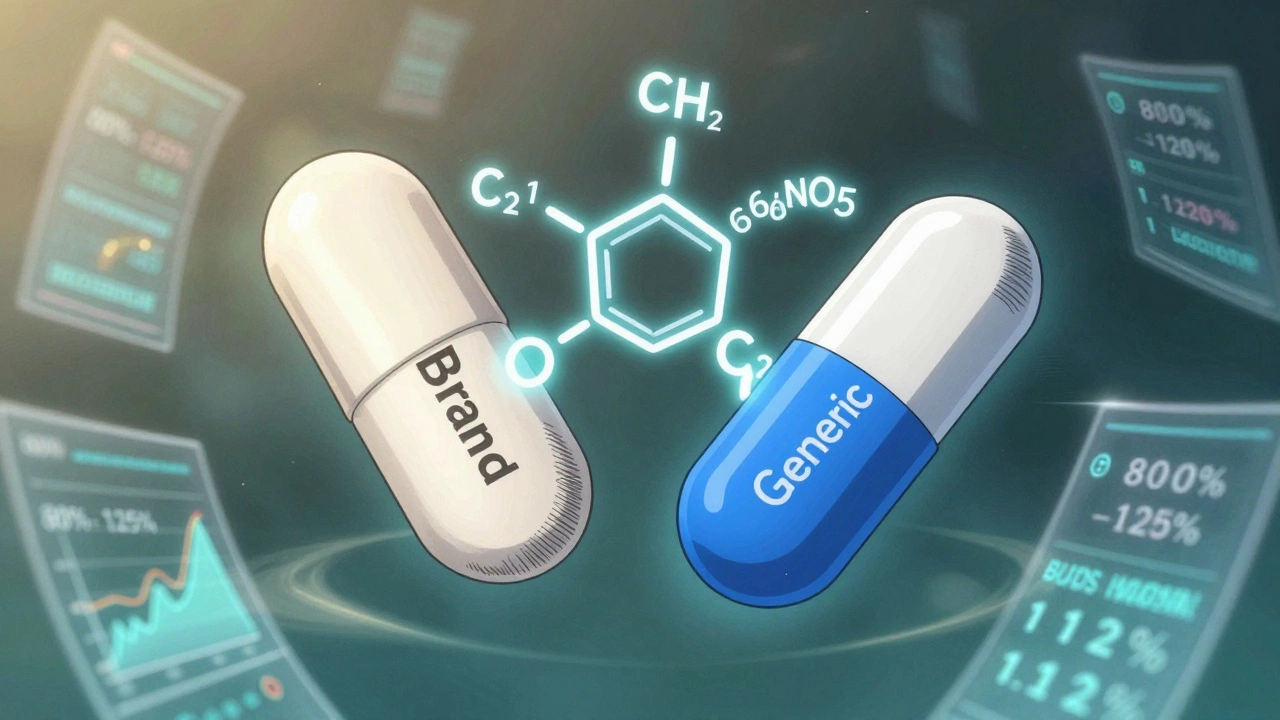
When you pick up a prescription, you might see two options: the brand name you recognize, or a cheaper generic version. But are they the same? The answer isn’t as simple as price alone. Generic medications, drug versions that contain the same active ingredient as brand-name drugs and are approved by the FDA as bioequivalent. Also known as generic drugs, they must meet the same standards for strength, dosage, and safety — but they don’t have to look or taste the same. What you’re really comparing isn’t just cost — it’s trust.
Behind every generic drug is a pharmacokinetic study, a scientific test that measures how your body absorbs and processes the drug to prove it behaves like the brand version. These studies aren’t guesses — they’re required by the FDA. If a generic doesn’t deliver the same amount of medicine into your bloodstream at the same rate as the brand, it doesn’t get approved. So yes, for most people, generics work just as well. But here’s where it gets messy: excipients in generics, the inactive ingredients like fillers, dyes, and preservatives that hold the pill together. These don’t affect how the drug works, but they can trigger reactions. If you’re allergic to lactose, corn starch, or certain dyes, your generic might cause stomach upset or skin rashes — even if the active ingredient is perfect. That’s why some patients swear their brand-name drug works better. It’s not the medicine. It’s the wrapper.
And then there’s the myth that generics are "weaker" because they’re cheaper. That’s not true. What’s cheaper is the marketing. Brand-name companies spend millions on ads, celebrity endorsements, and fancy packaging. Generics skip all that. But here’s the twist: sometimes, a combo pill — like a single tablet with two generics inside — costs more than buying the two drugs separately. That’s not a mistake. It’s a business tactic. And not all generics are made the same. Some are made overseas, some in the U.S. The FDA inspects them, but supply chains vary. That’s why you might notice a difference in how a pill looks or feels between refills — same drug, different manufacturer.
If you’ve ever been told "generics are just as good," but still feel unsure, you’re not alone. Millions of people have the same question. The truth is, for most conditions — high blood pressure, cholesterol, depression, diabetes — generics are safe, effective, and save you hundreds a year. But if you’re on a drug where tiny differences matter — like warfarin, thyroid meds, or seizure drugs — talk to your doctor before switching. Watch for changes in how you feel. Keep track of side effects. And if you suspect an excipient is bothering you, ask for the pill’s ingredient list. You have a right to know what’s inside.
Below, you’ll find real stories and practical guides from people who’ve been there — from how to spot counterfeit pills that look like generics, to why some combo generics cost more than the brand, to how providers can talk about generics without sounding like a salesperson. No theory. No fluff. Just what works, what doesn’t, and what you should ask next time you fill a prescription.