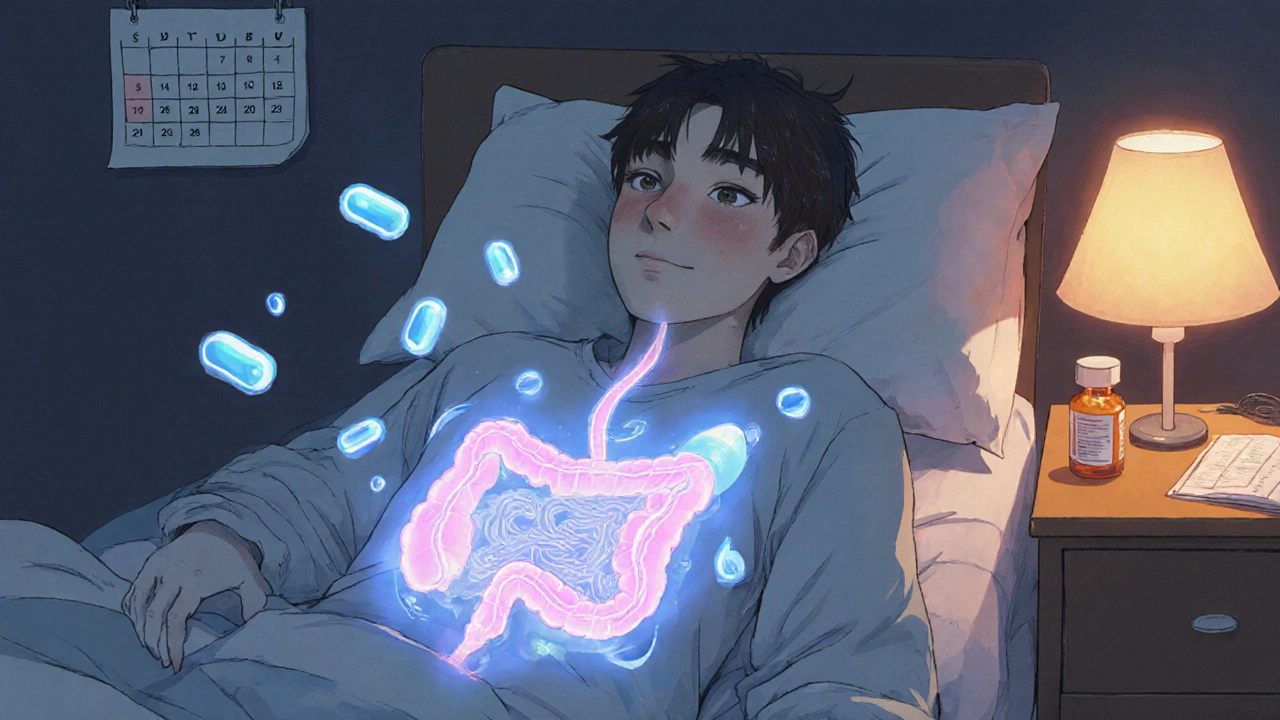
Opioid Side Effects: What You Need to Know Before Taking Them
When you take opioids, a class of drugs used to treat moderate to severe pain, including prescription pills like oxycodone and hydrocodone, as well as illegal drugs like heroin. Also known as narcotics, they work by binding to receptors in your brain and spinal cord to block pain signals—but they also trigger reward pathways that can lead to dependence. Many people start taking them after surgery or injury, thinking they’re safe because a doctor prescribed them. But opioid side effects don’t disappear when the pain does. They stick around—and sometimes get worse.
Opioids slow down your breathing, which is why they’re so dangerous in high doses or when mixed with alcohol or sedatives. An opioid overdose, a medical emergency where breathing stops or becomes dangerously slow can kill in minutes. Even at normal doses, common side effects like constipation, nausea, dizziness, and drowsiness can ruin your daily life. Over time, your body builds opioid tolerance, a condition where you need higher doses to get the same pain relief, which pushes people toward stronger pills or higher amounts. That’s also what leads to opioid dependence, when your body relies on the drug to function normally. Stop taking it suddenly, and you’ll face opioid withdrawal, a painful set of symptoms including muscle aches, diarrhea, vomiting, anxiety, and insomnia—which keeps many people trapped in the cycle.
The posts below don’t just list side effects—they show you real cases, warning signs you might miss, and how people have managed or avoided these risks. You’ll find guides on spotting early signs of overdose, how to talk to your doctor about reducing opioids, and what alternatives actually work for chronic pain. There’s no fluff here. Just facts, experiences, and steps you can take to protect yourself or someone you care about.