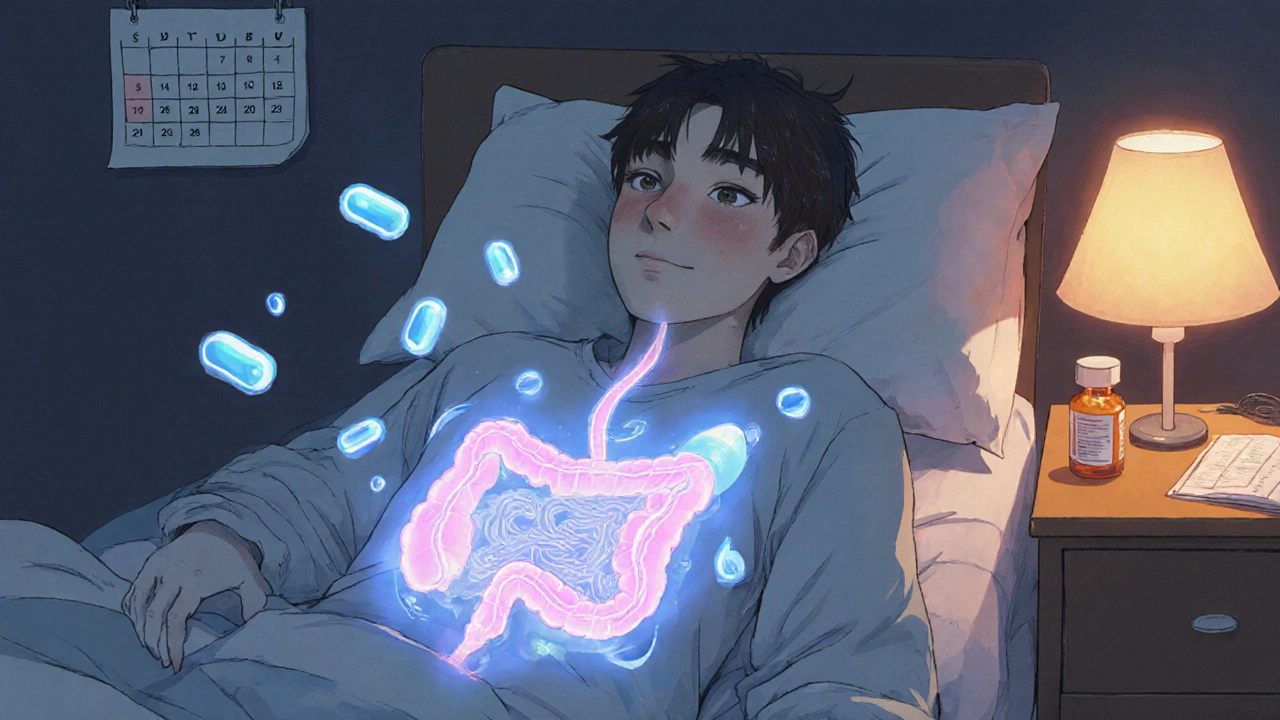
Opioid Management: Safe Use, Risks, and Real Solutions
When we talk about opioid management, the systematic approach to prescribing, monitoring, and discontinuing opioid medications for chronic or acute pain. Also known as opioid prescribing protocols, it’s not just about giving pain relief—it’s about preventing addiction, overdose, and long-term harm. Millions rely on these drugs for severe pain, but too many end up trapped in a cycle they didn’t plan for. The problem isn’t the medication itself—it’s how it’s handled. Poorly managed opioid use leads to dependence, tolerance, and in worst cases, death. That’s why smart opioid management means more than writing a prescription—it means tracking usage, checking for red flags, and having exit plans ready.
Opioid addiction, a chronic brain disorder marked by compulsive drug use despite harmful consequences doesn’t happen overnight. It creeps in when pain relief turns into daily reliance. People don’t start using opioids to get high—they start because their back hurts, their knee won’t stop aching, or their surgery left them in agony. But over weeks or months, the brain adapts. The same dose stops working. The body craves more. Withdrawal symptoms like nausea, anxiety, and muscle pain make quitting feel impossible. That’s why opioid management must include early intervention: regular check-ins, urine screens, and open conversations about side effects. It’s not about suspicion—it’s about care.
Pain management, a broader field focused on reducing suffering through medical, physical, and psychological methods doesn’t have to mean opioids. There are safer, equally effective options: physical therapy, nerve blocks, anti-inflammatories, even cognitive behavioral therapy. Many patients don’t know these exist because their doctor never mentioned them. Good opioid management means offering alternatives before increasing the dose. It means asking: "Is this really helping?" and "What happens if we try something else?"
And when it’s time to stop? Opioid withdrawal, the physical and psychological symptoms that occur when someone who is dependent on opioids suddenly reduces or stops taking them can be brutal. Cold sweats, diarrhea, insomnia, intense cravings—these aren’t just inconveniences. They’re barriers to recovery. Proper opioid management includes a tapering plan, not a cold turkey cutoff. It means connecting patients with support groups, counseling, or medications like buprenorphine that ease the transition. No one should be left to suffer alone.
What you’ll find in the posts below aren’t theory papers or pharmaceutical ads. These are real, practical guides from people who’ve been there—patients, nurses, pharmacists. You’ll see how to spot early signs of misuse, how to talk to your doctor about reducing opioids, how to handle side effects, and what to do if you think someone you know is in trouble. There’s no fluff. No jargon. Just clear steps you can use today.