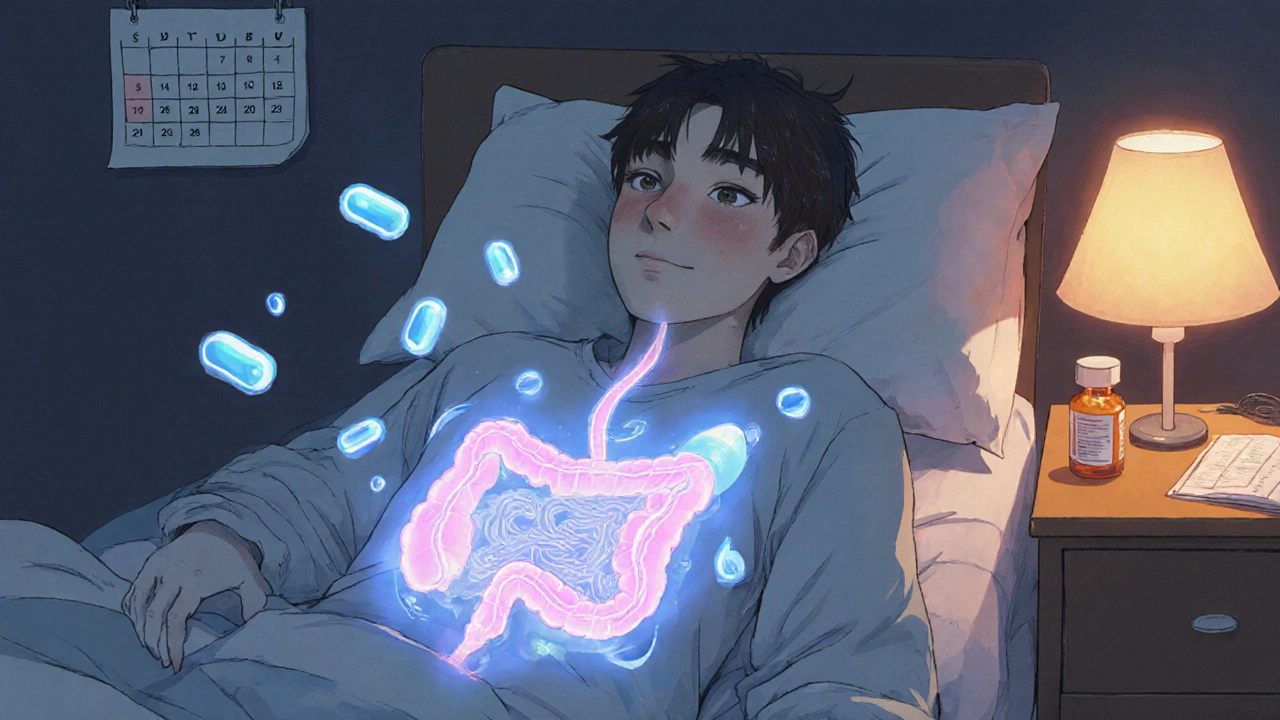
Constipation from Opioids: Causes, Relief, and What You Need to Know
When you take opioids, a class of pain-relieving drugs that act on the central nervous system, including morphine, oxycodone, and hydrocodone. Also known as narcotics, they’re powerful—but they also slow down your gut. This isn’t just a minor inconvenience. opioid-induced constipation, a direct result of how opioids bind to receptors in the digestive tract, reducing motility and increasing fluid absorption affects up to 90% of long-term users. It’s not the same as occasional sluggishness. This is a chronic, often painful condition that can lead to bloating, nausea, and even bowel obstruction if ignored.
Why does this happen? Opioids don’t just block pain signals in your brain—they also bind to receptors in your intestines. That slows down the muscle contractions that move food through your system. Water gets sucked out of your stool, making it hard, dry, and tough to pass. No amount of fiber or water will fully fix this if you’re still taking the drug. That’s why regular laxatives often fail. You need something that targets the root cause: the opioid receptors in your gut. peripheral opioid antagonists, medications like methylnaltrexone and naloxegol that block opioid effects in the intestines without affecting pain relief exist for this exact reason. They’re not over-the-counter, but they’re proven to work when other treatments don’t.
Many people stop taking their opioids because of constipation. That’s dangerous. Others try prune juice, fiber supplements, or enemas—and those might help a little, but they won’t fix the core problem. The real solution is understanding that this isn’t a lifestyle issue—it’s a pharmacological one. If you’re on long-term opioids, you should be on a bowel regimen from day one. Talk to your doctor about stool softeners, stimulant laxatives, or even prescription options like lubiprostone. Don’t wait until you’re in pain or unable to pass stool for days. Prevention is easier than treatment.
And it’s not just about pills. Movement helps. Even a short walk after meals can stimulate your bowels. Hydration matters. But none of that replaces targeted treatment. The good news? You don’t have to suffer. There are safe, effective ways to manage this side effect without giving up your pain control. What you’ll find below are real, practical posts from people who’ve been there—how to spot early signs, what works (and what doesn’t), and how to talk to your doctor about solutions that actually fit your life.