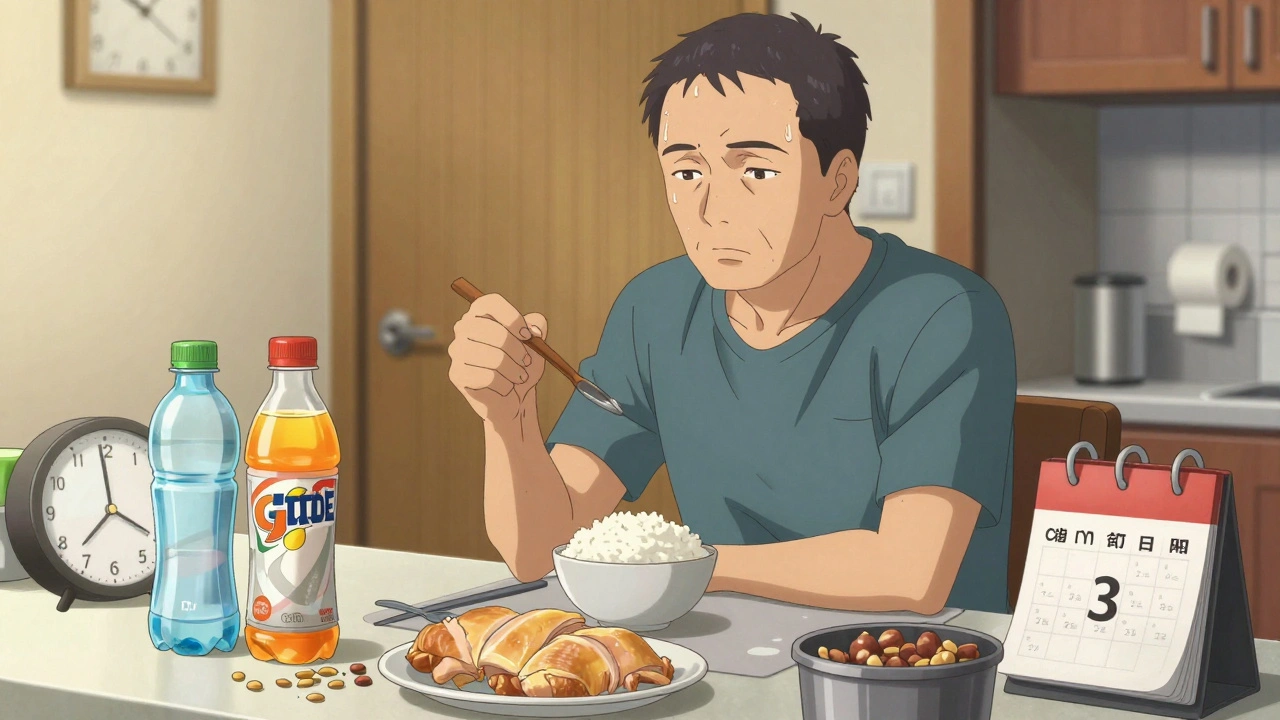
Bowel Prep: What It Is, Why It Matters, and What You Need to Know
When you hear bowel prep, a medical process to clean out the colon before a colonoscopy. Also known as colonoscopy preparation, it’s not just a chore—it’s the single most important thing you can do to make sure your test finds everything it needs to. If your colon isn’t clean, doctors can miss polyps, early cancer, or other problems. That’s why every major health group, from the American College of Gastroenterology to the FDA, treats bowel prep as non-negotiable.
Most bowel preps use polyethylene glycol, a non-absorbable osmotic laxative that pulls water into the intestines to flush out waste. It’s the gold standard because it’s effective and safe for most people. But there are alternatives: laxatives, like sodium picosulfate or magnesium citrate, that stimulate bowel contractions. Some are easier to drink, others work faster—but none work if you skip steps or don’t finish the whole dose. Even if you feel fine after the first hour, you still need to keep going. Stopping early is the #1 reason colonoscopies get rescheduled.
What you eat before bowel prep matters just as much as what you drink. The day before, you’re told to switch to clear liquids. That’s not just a suggestion—it’s science. Solid food left in your colon can hide small growths. You might think a light salad is okay, but even fiber can cling to the walls. And don’t forget: red or purple liquids? Avoid them. They can look like blood during the procedure and cause unnecessary panic.
Side effects are normal—cramping, nausea, bloating. But if you’re vomiting constantly, dizzy, or can’t keep fluids down, call your doctor. Dehydration from bowel prep can be dangerous, especially if you’re older or on blood pressure meds. That’s why many clinics now recommend splitting the dose: half the night before, half the morning of. It’s less overwhelming and often gives a cleaner result.
There’s no one-size-fits-all bowel prep. Your age, meds, kidney function, and even past surgeries can change what works best. If you’ve had trouble before, talk to your provider. Maybe you need a different formula, extra electrolytes, or even a different timing plan. Don’t just accept the first script you’re given. Ask questions. Get options. Your colonoscopy’s success depends on it.
What you’ll find below are real, practical guides from people who’ve been through it—whether it’s how to make the taste bearable, what to do if you miss a dose, or why some preps are better for diabetics. No fluff. No hype. Just what works, what doesn’t, and what your doctor might not tell you unless you ask.