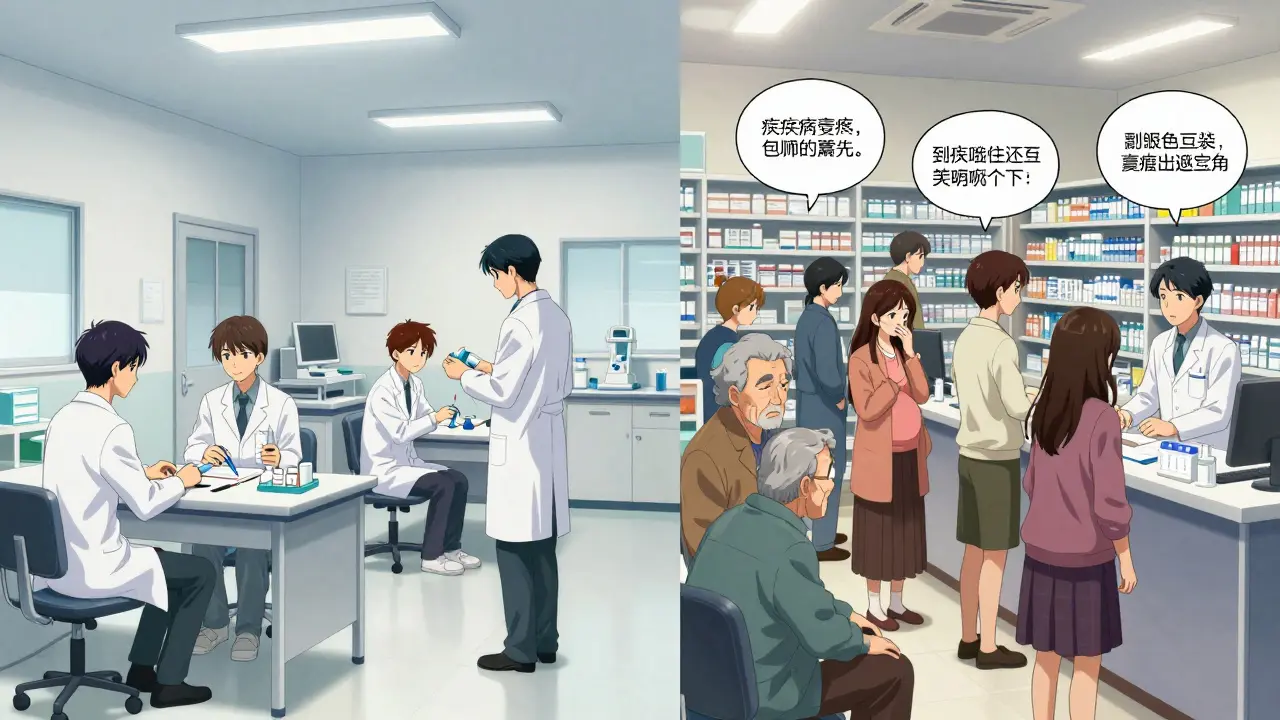
Adverse Event Reporting: What It Is and Why It Saves Lives
When a medication causes harm—whether it’s a rash, liver damage, or something worse—adverse event reporting, the system used to track harmful reactions to drugs and medical products. Also known as pharmacovigilance, it’s how doctors, patients, and regulators spot dangers that clinical trials might miss. These reports don’t just sit in a file. They’re reviewed, analyzed, and sometimes lead to black box warnings, dosage changes, or even drug recalls.
Think of it like a early warning system. A patient takes a new painkiller and starts having trouble breathing. Their doctor files a report. Months later, ten more similar cases show up. The FDA sees the pattern, investigates, and finds a rare but deadly interaction. That’s pharmacovigilance, the ongoing monitoring of drug safety after approval. Without this, dangerous side effects could go unnoticed for years. You’ll find posts here about opioid drowsiness, steroid eye drop risks, and even rare blood disorders from meds—all of which started as someone reporting an unexpected reaction. These aren’t just side effects. They’re signals.
And it’s not just about big pharma. Even generics, herbal supplements, and over-the-counter drugs can cause harm. That’s why medication side effects, unintended and potentially dangerous responses to drugs. matter. A filler like lactose in a generic pill might trigger a reaction in someone with intolerance. A new drug combo might cause a dangerous drop in potassium. These aren’t theoretical risks. They’re real, documented, and tracked through the same reporting system.
What you’ll find below are real cases where adverse event reporting made a difference: from spotting counterfeit Ozempic pens to understanding why certain antibiotics cause gut issues or why warfarin needs steady vitamin K intake. These aren’t abstract concepts. They’re stories of people who noticed something wrong, spoke up, and helped others avoid the same fate. If you’ve ever wondered why your doctor asks, "Did anything change since you started this new med?"—this is why. Your report could be the next one that saves a life.