
Imagine a skin itch so intense that it keeps you awake every single night, yet there is no rash, no bug bite, and no obvious cause. For thousands of people living with cholestatic liver diseases, this isn't a nightmare-it's daily life. Cholestatic pruritus is a specialized type of itching that happens when bile flow from the liver is blocked or dysfunctional. Because it isn't caused by histamine, the typical creams and pills you'd use for a bee sting or seasonal allergies usually do absolutely nothing. This leaves patients searching for relief that actually works.
This condition isn't rare in the liver health world. Depending on the cause, between 20% and 70% of people with these diseases suffer from it. If you have Primary Biliary Cholangitis (PBC), you're in that high-risk group. Those with Primary Sclerosing Cholangitis (PSC) or pregnancy-related cholestasis also face this battle, though the rates vary. The real frustration is that the "why" is complicated. It's not just one thing; it's a cocktail of bile acids, opioids, and a specific protein called lysophosphatidic acid (LPA) that triggers the nerves in your skin.
The First Line of Defense: Bile Acid Resins
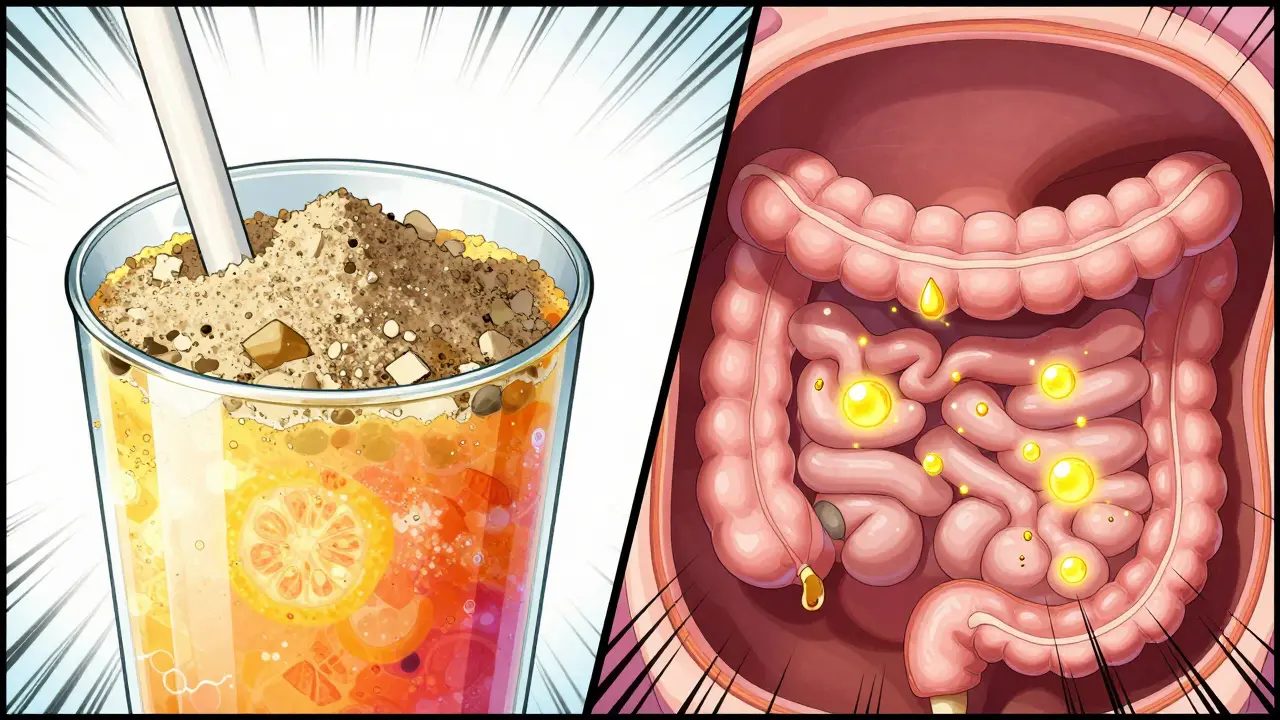
When doctors first tackle this itch, they usually start with Cholestyramine is a strongly basic anion exchange resin that binds bile acids in the intestinal lumen to prevent their reabsorption. . Think of it like a chemical sponge. It travels through your gut, soaks up the irritating bile acids, and carries them out of your body through your stool.
While it can reduce itching by 50% to 70% for some, it isn't exactly a pleasure to take. Many patients describe it as "gritty" or "unpalatable." In fact, nearly 80% of people struggle with the taste. There is also a tricky timing rule: because it's so good at soaking things up, it can soak up your other medications too. You generally have to take it one hour before or four to six hours after any other drugs to make sure those meds actually get into your system.
If the gritty powder is too much, some people mix it into strongly flavored drinks to mask the taste, but the gastrointestinal side effects-like bloating and constipation-lead about a third of patients to quit the medication entirely.
Moving Up the Ladder: Second and Third-Line Options
When resins aren't enough, doctors move to a stepwise approach. This is where things get more specific. If you've hit a wall with cholestyramine, your doctor might suggest Rifampin. This drug acts as a hepatic enzyme inducer. In PBC patients, about 70% find relief within a month. One quirky side effect? It can turn your urine orange. It's startling, but usually harmless.
Then there's Naltrexone. This is a μ-opioid receptor antagonist. Since the body's own opioid system can play a role in how we feel itch, blocking those receptors can dial down the sensation. However, the start can be rough. Some people feel like they are going through opioid withdrawal-nausea and anxiety-even if they've never used opioids in their life. Starting with a very low dose and slowly increasing it is the only way to avoid this.
For those who also struggle with mood dips or depression, Sertraline (an SSRI) is sometimes used off-label. It doesn't work for everyone, but it's a helpful tool for about 40-50% of PBC patients.
| Medication | Primary Action | Typical Efficacy | Main Downside |
|---|---|---|---|
| Cholestyramine | Binds bile acids in gut | 50-70% | Bad taste, drug interactions |
| Rifampin | Enzyme induction | 60-80% | Hepatotoxicity risk, orange urine |
| Naltrexone | Opioid receptor block | 50-60% | Initial withdrawal-like symptoms |
| Maralixibat | IBAT Inhibition | ~47% | Very high cost |
New Frontiers: Targeted Therapy and IBAT Inhibitors
The most exciting shift in recent years is moving away from "shotgun" treatments toward precision medicine. Enter Maralixibat is an ileal bile acid transporter (IBAT) inhibitor that reduces the amount of bile acid absorbed from the intestine. . Approved by the FDA in 2021 specifically for Alagille syndrome, it's a game-changer for tolerability. Unlike the gritty resins, this is a once-daily dose with no taste issues, leading to much higher patient satisfaction.
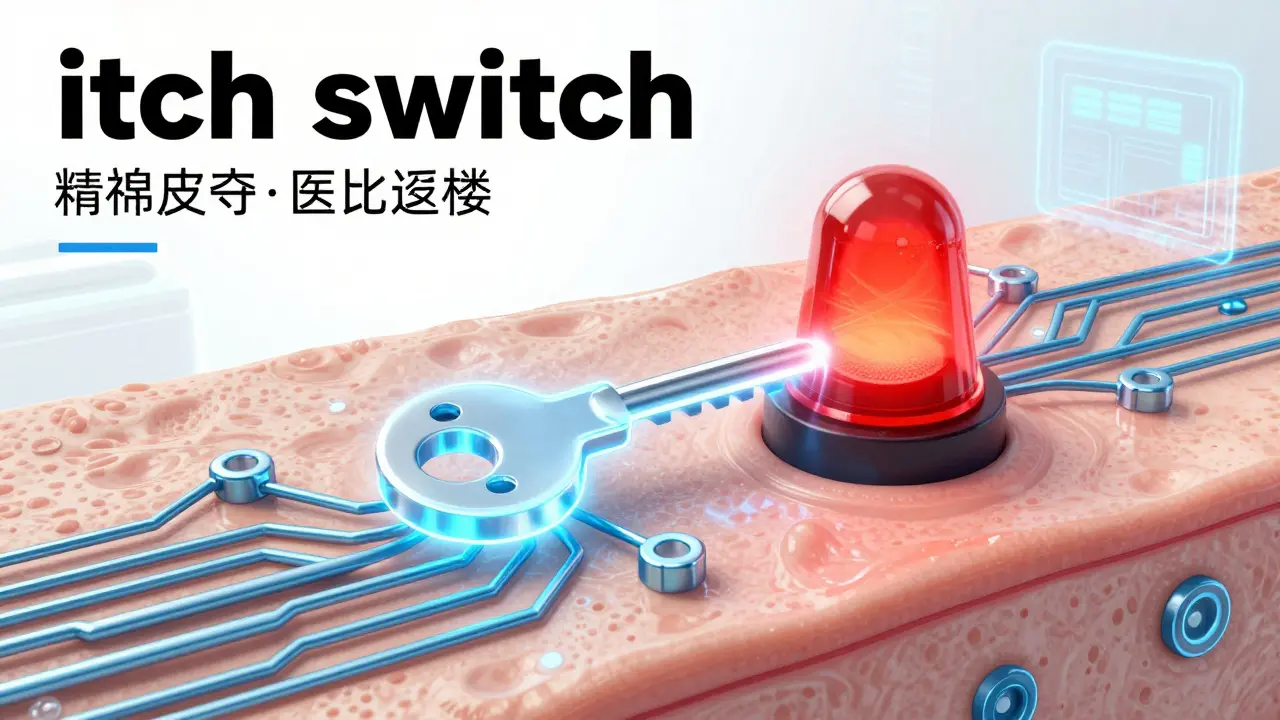
But the real "holy grail" for researchers is the autotaxin-LPA pathway. Scientists have found that an enzyme called autotaxin produces lysophosphatidic acid (LPA), which tells the nerves in your skin to itch. New drugs, like IONIS-AT332-LRx, are being designed to shut this process down. Early phase 2 trials show a nearly 60% improvement in itch for patients who didn't respond to any other drugs. This means we are moving from just masking the symptoms to actually turning off the "itch switch."
Practical Tips for Daily Management
While you wait for medications to kick in, you can't just ignore the skin. Since this isn't a histamine issue, don't waste your time on standard over-the-counter antihistamines-they rarely work for liver-related itch. Instead, focus on cooling and protecting the skin barrier.
- Temperature Control: Take cool showers and avoid hot baths, which can trigger a flare-up.
- Fabric Choices: Stick to loose-fitting, breathable cotton clothing. Avoid wool or synthetic fabrics that trap heat.
- Moisturization: Use thick, fragrance-free emollients immediately after bathing to lock in moisture.
- Mechanical Relief: In cases of biliary obstruction, talk to your doctor about stent placement. In some cases, clearing the physical blockage provides immediate relief for 85% of patients.
If all else fails, liver transplantation is the final option. It's a massive surgery, but for those with end-stage liver disease, it resolves the itching in about 95% of cases.
Why don't Benadryl or Claritin work for my liver itch?
Most common itch creams and pills target histamine. However, cholestatic pruritus is non-histaminergic. It's caused by bile acids and other substances like LPA and endogenous opioids. Since histamine isn't the cause, antihistamines can't fix it.
How should I take cholestyramine to avoid drug interactions?
Because cholestyramine is a powerful binder, it can stop other medicines from being absorbed. You should take your other medications at least 1 hour before or 4-6 hours after taking the resin.
Is the orange urine from Rifampin dangerous?
No, the orange or reddish discoloration of urine and tears is a common and harmless side effect of Rifampin. It is not a sign of kidney or liver failure.
What is the "autotaxin-LPA pathway"?
It is a biological pathway where the enzyme autotaxin creates lysophosphatidic acid (LPA). This LPA then activates specific receptors on nerves that send an "itch" signal to the brain. New drugs target this specific process to stop the itch at its source.
What happens if I can't afford the newer drugs like Maralixibat?
There is a significant cost gap between resins (which are cheap) and new IBAT inhibitors. If costs are a barrier, doctors typically follow the AASLD stepwise protocol, moving through Rifampin and Naltrexone before considering expensive newer agents.
Next Steps for Patients
If you're currently struggling with liver-related itching, your first move should be to track your symptoms. Keep a diary of when the itch is worst and how you react to different temperatures. This helps your hepatologist decide if you should stay on a resin or move to a second-line agent like Rifampin.
For those already on cholestyramine who can't stand the taste, try mixing it into a very strong smoothie or a flavored beverage. If you're starting Naltrexone, be prepared for a few days of "flu-like" symptoms and work with your doctor to titrate the dose upward slowly to minimize the shock to your system.