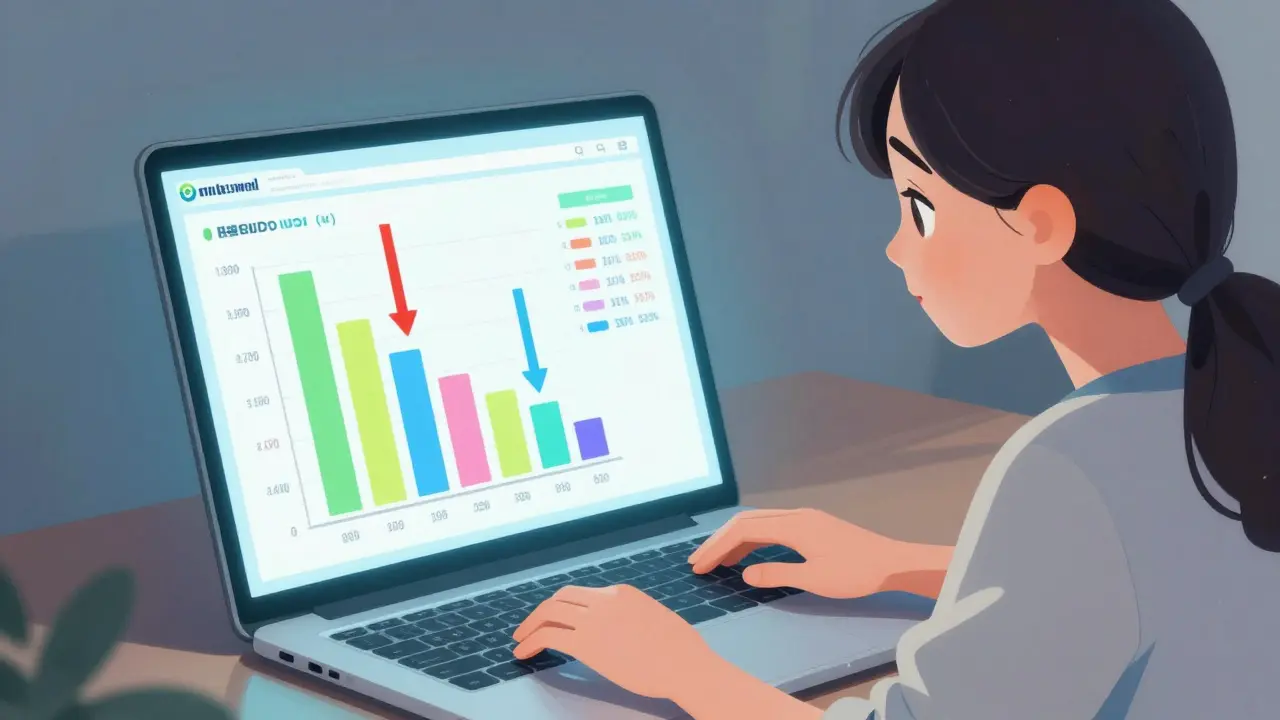
In 2025, a Minnesota patient saved $287 a year by checking prices at different pharmacies using a state transparency portal. But how do you find these savings yourself? Generic drug prices can vary wildly-sometimes by hundreds of dollars-for the same medication at nearby pharmacies. This isn’t random. It’s because of how drug pricing works behind the scenes. Let’s break down the tools that can help you find the best price.
Why Generic Drug Prices Vary So Much
Generic drug prices swing wildly due to the complex pharmaceutical supply chain. Manufacturers set a list price (wholesale acquisition cost or WAC), but then pharmacy benefit managers (PBMs), insurers, and pharmacies negotiate discounts and rebates behind the scenes. The final price you pay depends on your insurance plan, pharmacy contracts, and even which state you live in. For example, a 30-day supply of metformin might cost $4 at one pharmacy and $40 at another. Without transparency, patients often have no idea what they’ll pay until they’re at the counter.
The movement toward price transparency began with the 2020 Prescription Drug File rule, which required health plans to report negotiated drug prices, including rebates. Then the Consolidated Appropriations Act (CAA) of 2021, Section 204, mandated further reporting on drug spending trends. However, implementation has been slow. As of 2025, only 12 states have established Prescription Drug Affordability Boards (PDABs) to review drug costs. This patchwork of rules means patients often need to use multiple tools to get the full picture.
Top Tools to Check Generic Drug Prices
Several tools help you find the best prices. Let’s look at the most reliable ones.
CoverMyMeds Real-Time Benefit Tool
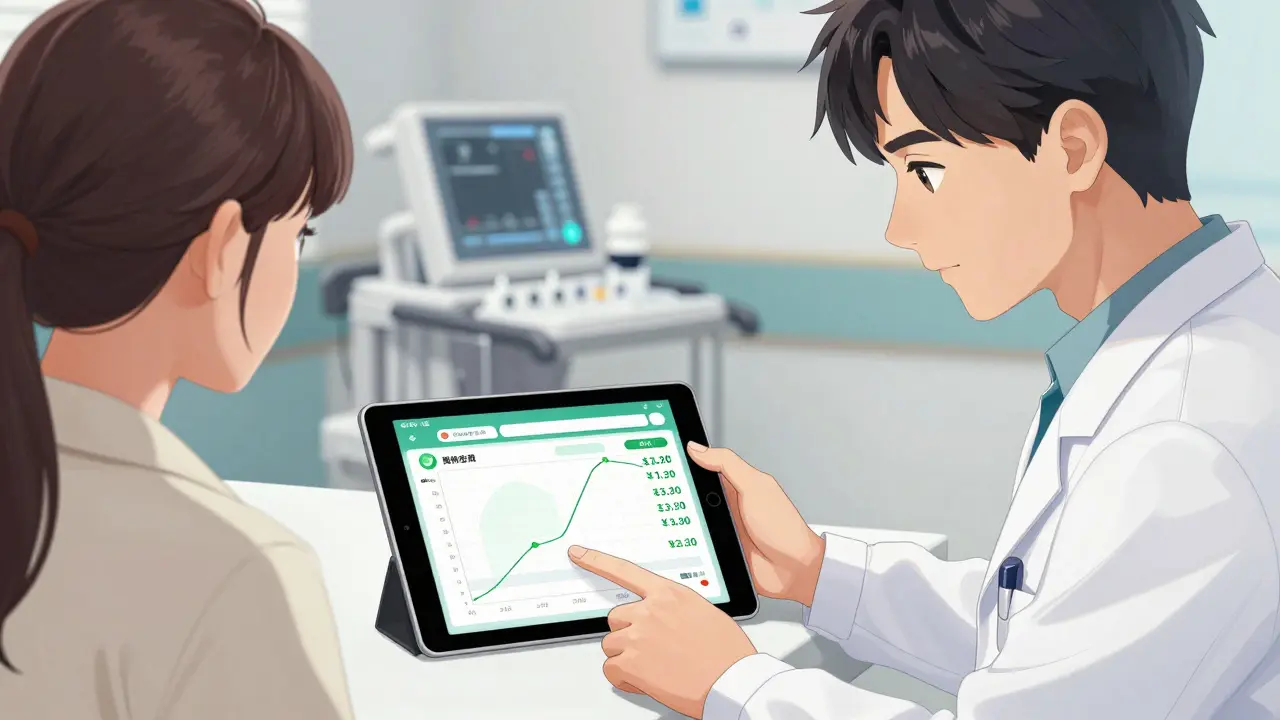
CoverMyMeds is a platform that integrates with electronic health records (EHRs) like Epic and Cerner. Its Real-Time Benefit Tool (RTBT) shows doctors and patients the exact out-of-pocket cost for medications before they’re prescribed. As of Q1 2025, it’s used in 450,000 practice locations across the U.S. and serves 1.2 million healthcare providers. The tool connects to pharmacy benefit managers (PBMs) through HL7 FHIR standards, which ensures fast data exchange. Doctors using this tool report a 37% average reduction in patients’ out-of-pocket costs by switching to lower-cost alternatives. For example, a diabetic patient might switch from a brand-name insulin to a generic alternative after seeing the real-time cost difference.
GoodRx
GoodRx is a popular consumer app that compares prices across pharmacies. J.D. Power’s 2024 survey found 43% of U.S. pharmacies use GoodRx. It’s free for patients and shows estimated prices for generic drugs. However, there are common issues. A March 2025 Trustpilot review noted: "The app shows $4 prices at pharmacies 20 miles away, but when I get there, they say their system shows $15." This happens because GoodRx’s data isn’t always real-time and doesn’t account for insurance-specific discounts. Still, it’s useful for cash-paying patients without insurance.
State-Specific Transparency Portals
Many states have their own price transparency tools. As of April 2025, 23 states have enacted laws requiring drug price disclosure. For example, California’s law mandates manufacturers report price hikes over 16% in two years. Minnesota’s portal lets patients compare prices for the same medication across pharmacies. One Minnesota patient saved $287 annually by using the state portal to find a pharmacy with a 92% lower price for a generic medication. These state tools often include Prescription Drug Affordability Boards (PDABs) that review drug costs and set affordability standards. Check your state health department website for access.
Limitations and Common Pitfalls
While these tools are helpful, they have limitations. First, most don’t show net prices after rebates. Wholesale Acquisition Cost (WAC) is visible, but actual costs after discounts are hidden. For example, a drug with a $100 WAC might have a net price of $60, but tools rarely show this. Second, data can be outdated. PBMs update formularies slowly, so a tool might show a drug as covered when it’s not. Third, specialty medications often have incomplete data. KLAS Research’s 2024 survey found 57% of users report inconsistent insurance coverage data for specialty drugs. Finally, some tools like GoodRx can mislead patients with price discrepancies between the app and actual pharmacy charges.
Real-World Success Stories
Despite challenges, these tools make a difference. On Reddit’s r/healthcare thread in February 2025, physician 'DrPharmMD' reported: "Using CoverMyMeds RTBT cut my patients’ out-of-pocket costs by 37% on average by switching to lower-cost alternatives they could actually afford." MDinteractive’s 2025 MIPS implementation guide found that 68% of physicians using RTBT tools report improved patient adherence due to upfront cost discussions. However, 41% cite workflow disruption as a challenge. Another success story comes from a Minnesota patient who used the state’s transparency portal to find a pharmacy charging 92% less for the same generic medication, saving $287 annually. These examples show the potential-but also the need for better data integration.

What’s Changing in 2026
Regulatory changes are coming. The Drug-price Transparency for Consumers Act (DTC Act) of 2025 (S.229), introduced in January 2025, requires direct-to-consumer drug ads to disclose wholesale acquisition costs for a 30-day supply. This means you’ll see the list price before the drug is advertised. Meanwhile, the Centers for Medicare & Medicaid Services (CMS) is expected to release technical guidance for the Prescription Drug File before the end of 2025. This could require health plans to report total spending on drugs net of rebates. However, the cancellation of the Medicare Two Dollar Drug List Model in March 2025 removed a federal effort to cap drug prices. Experts like Dr. Dan Arnold of Avalere Health warn: "Without addressing the underlying rebate system, transparency alone cannot drive meaningful price reductions." Still, incremental improvements in WAC visibility continue to expand across the healthcare ecosystem.
Frequently Asked Questions
What is the difference between wholesale acquisition cost (WAC) and net price?
Wholesale Acquisition Cost (WAC) is the manufacturer’s list price before discounts. Net price is what’s actually paid after rebates and discounts. Transparency tools often show WAC, but net price is usually lower and hidden. For example, a drug with a $100 WAC might have a net price of $60 after rebates. But most tools don’t show net prices because rebates are confidential between pharmacy benefit managers and drugmakers.
Can price transparency tools help with specialty medications?
Yes, but with limitations. Specialty drugs often have complex pricing, and some tools like CoverMyMeds RTBT include specialty medication cost data. However, data availability varies. According to KLAS Research’s 2024 survey, 57% of users report inconsistent insurance data for specialty drugs. Patient assistance programs like RxAssist (www.rxassist.org) can help with these high-cost medications.
How do I know if my state has a price transparency law?
As of April 2025, 23 states have enacted drug price transparency laws. You can check your state’s health department website or use resources like Goodwin Law’s state law tracker. For example, California requires manufacturers to report price increases over 16% in two years, while Minnesota has a Prescription Drug Affordability Board that reviews drug costs.
Why do pharmacies sometimes show different prices than the app?
Apps like GoodRx show estimated prices based on public data, but actual prices depend on your specific insurance plan, pharmacy contracts, and real-time inventory. A March 2025 Trustpilot review noted: "The app shows $4 prices at pharmacies 20 miles away, but when I get there, they say their system shows $15." This happens because apps don’t always update in real-time or account for insurance-specific discounts.
Are there free tools available for checking drug prices?
Yes. Tools like GoodRx and SingleCare are free for consumers. Many hospitals also offer free price transparency tools on their websites due to CMS requirements. However, for prescribers, tools like CoverMyMeds RTBT require EHR integration and may have setup costs. But most patient-facing apps are completely free to use.
lance black
February 5, 2026 AT 03:39Check different pharmacies before filling prescriptions. Saves hundreds yearly.
Cole Streeper
February 6, 2026 AT 10:57The government's transparency portals are just a smokescreen.
They want you to think you're getting savings while Big Pharma and PBMs laugh all the way to the bank.
It's all rigged.
You think you're saving money? Think again.
They're hiding the real costs from you.
Trust me, I've seen the documents.
This whole system is a scam.
Lisa Scott
February 6, 2026 AT 16:48The whole drug pricing system is a complete mess
WAC is just a facade
Nobody knows the real net price
PBMs and insurers collude to hide rebates
Transparency portals only show the tip of the iceberg
State PDABs are useless
They don't have the power to force real change
Doctors using CoverMyMeds RTBT are just playing along
37% reduction in out-of-pocket? More like a PR stunt
GoodRx data is always outdated
Trustpilot reviews confirm the discrepancies
Specialty drugs have even worse data
Medicare Two Dollar Drug List cancellation proves it
Without addressing rebates transparency is meaningless
Dr Dan Arnold said it right
But nobody listens
It's all controlled by the pharmaceutical industry
Dina Santorelli
February 8, 2026 AT 04:22I've been trying to use these tools but they're useless.
Every time I check, the prices change.
It's like they don't want us to know the real costs.
This whole system is designed to keep us in the dark.
I'm so tired of this.
Gregory Rodriguez
February 9, 2026 AT 17:47Hey folks
let's not throw the baby out with the bathwater here
Sure the system's messy
but tools like GoodRx and CoverMyMeds are still useful
I mean who wouldn't want to save a few bucks
It's not perfect
but it's better than nothing
Keep pushing for real change
but don't give up on the tools we have
Johanna Pan
February 10, 2026 AT 11:02I aggree with Gregory
While the system has flaws
the tools available are still helpful
It's important to use them while advocating for better transparency
Maybe we can push for more statelevel reforms
Thanks for the positive outlook
Samantha Beye
February 12, 2026 AT 03:42I've found that checking with multiple pharmacies does save money
It's a small effort for big savings
Keep using the tools available
Joyce cuypers
February 12, 2026 AT 10:54I've used the Minnesotaa portal and saved $200
It's worth the time
Typo: 'portall' but works well
Kate Gile
February 14, 2026 AT 03:11It's great to see tools like CoverMyMeds helping patients
Collaboration between doctors and pharmacies is key
Let's keep working towards better transparency for everyone
Lana Younis
February 14, 2026 AT 10:25CoverMyMeds RTBT is a game changer for prescribers
Integrating with epic and cerner via hl7 fhir ensures real-time data
However, the net price vs wac issue remains a challenge
Many providers still don't understand the difference
We need more education on this
Also, state pdabs are crucial for systemic change
Let's not forget the role of pbms in the pricing puzzle
It's complex but progress is being made