
When you have an autoimmune disease, fatigue isn't just being tired. It's a deep, unshakable exhaustion that makes brushing your teeth, answering an email, or walking to the mailbox feel like climbing a mountain. For 98% of people with autoimmune conditions, this isn't occasional burnout-it's a daily reality. Unlike regular tiredness that fades after a good night's sleep, autoimmune fatigue sticks around for months, gets worse after even small efforts, and doesn't improve with rest. It's not in your head. It's in your biology.
Why Your Body Feels So Heavy
This kind of fatigue isn't caused by lack of sleep or overworking. It's driven by your immune system itself. In autoimmune diseases, your body attacks its own tissues. That attack doesn't just damage joints or skin-it floods your bloodstream with inflammatory chemicals called cytokines: IL-1β, IL-6, and TNF-α. These aren't just markers of disease; they cross into your brain and directly interfere with how your body produces and uses energy. Studies show these cytokines are 2.3 to 3.7 times higher in people with autoimmune fatigue than in healthy individuals. They disrupt the hypothalamic-pituitary-adrenal (HPA) axis, which controls your stress response and cortisol levels. Cortisol isn't just a stress hormone-it helps regulate energy. In many patients, cortisol production drops by 18-22%, leaving you without the natural boost your body needs to start the day. Add to that mitochondrial dysfunction. Your cells' power plants, the mitochondria, produce less ATP-the energy currency of your body. Biopsies show a 40-55% drop in efficiency in muscle cells of those with chronic autoimmune fatigue. This means even simple movements require more effort than they should. And it's not just physical. Brain scans reveal neuroinflammation in 82% of cases. Inflammation in areas like the thalamus and prefrontal cortex affects focus, memory, and motivation. That’s why so many people report brain fog-forgetting words, struggling to concentrate, or feeling mentally drained after a short conversation.It’s Not the Same Across All Conditions
While fatigue is nearly universal in autoimmune diseases, its intensity varies. Systemic lupus erythematosus (SLE) and multiple sclerosis (MS) top the list, with 98% and 96% of patients reporting severe fatigue. Sjögren’s syndrome isn’t far behind-78% of patients rate their fatigue as 8 or higher on a 10-point scale. Rheumatoid arthritis patients often say fatigue hurts more than joint pain. Even conditions you might not associate with exhaustion, like celiac disease or type 1 diabetes, show fatigue rates above 90%. The pattern is clear: no matter which autoimmune disease you have, fatigue is likely your most disabling symptom. Research links fatigue severity to specific disease markers. In lupus, higher anti-dsDNA antibody levels correlate with worse fatigue. In MS, the number of brain lesions in the thalamus predicts how tired you’ll feel. In rheumatoid arthritis, DAS-28 scores (a measure of joint inflammation) still only explain about half of the fatigue you experience. That means fatigue doesn’t always track with how active your disease is. You can be in remission and still be exhausted.What Doesn’t Work-And Why
Many patients try the obvious fixes: more sleep, caffeine, vitamins, or pushing through with exercise. But these often backfire. Caffeine gives a short-term spike but crashes harder later. Sleeping more doesn’t help if your sleep architecture is broken-many patients have unrefreshing sleep, even after 9 hours. Graded exercise therapy (GET) sounds logical: start slow, build up. But if it’s not carefully personalized, it can trigger post-exertional malaise (PEM). PEM means symptoms worsen 12-48 hours after activity, sometimes for days. A 2023 Reddit survey found that 41% of patients who tried GET without proper pacing ended up worse off. Even well-meaning doctors sometimes dismiss fatigue as depression or anxiety. A 2022 survey by the Lupus Foundation showed that 76% of patients were initially told their fatigue was "just stress." That delay in recognition means people waste months-sometimes years-trying to fix something that needs a completely different approach.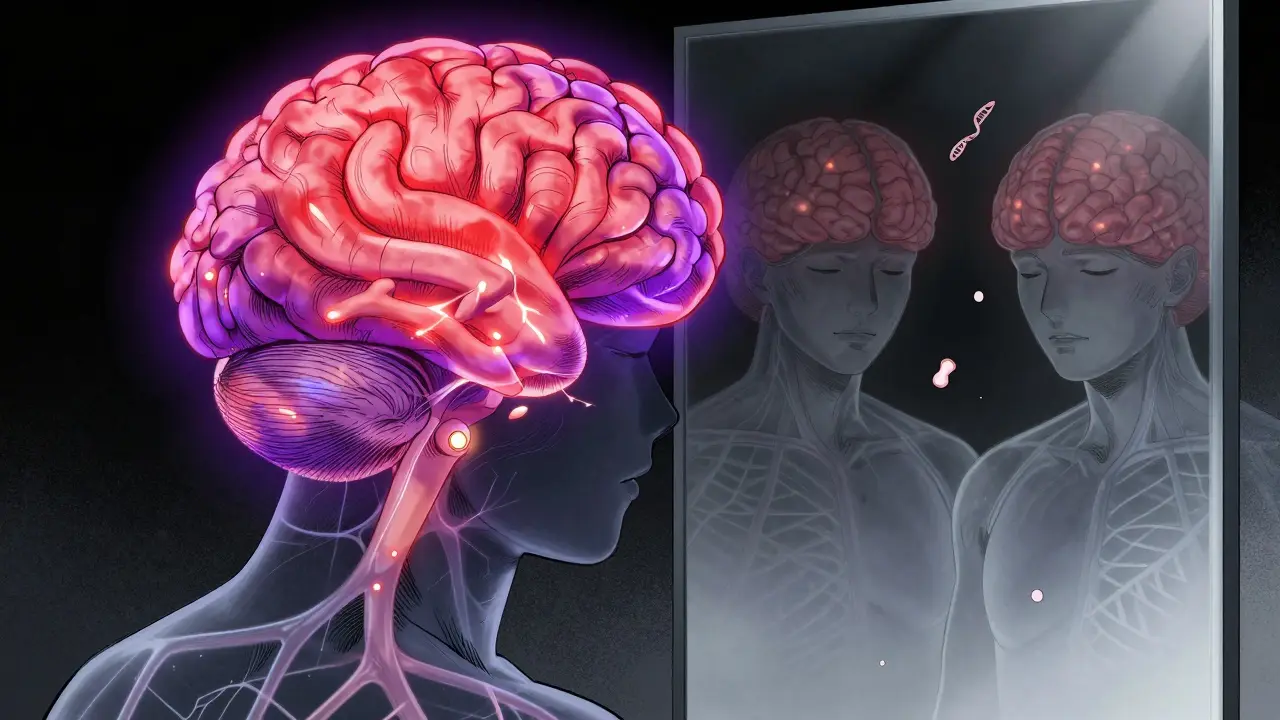
What Actually Helps
The most effective strategies don’t rely on one solution. They combine science-backed methods tailored to your body’s specific imbalances. Medication: If your cortisol levels are low, low-dose hydrocortisone (10-20 mg daily) helps 35-40% of patients regain energy. For those with MS-related fatigue, modafinil (a wakefulness agent) reduces fatigue 28% more than placebo. These aren’t stimulants-they’re targeted corrections for measurable biological gaps. Behavioral Tools: Cognitive behavioral therapy adapted for autoimmune fatigue (CBT-AF) has been shown to improve fatigue scores 27% more than standard care. It doesn’t just change your thoughts-it teaches pacing, energy accounting, and how to recognize early signs of overexertion. Sleep Optimization: Fixing your circadian rhythm matters. Keeping consistent sleep/wake times, avoiding blue light after 8 p.m., and getting morning sunlight can improve melatonin rhythm. One study found this alone reduced fatigue by 22-25%. Exercise-The Right Way: Movement is essential, but it must be paced. Start with 5 minutes of gentle movement every other day. Track how you feel 24 hours later. If you’re worse, scale back. If you feel the same or better, add 2 minutes. Many patients find success with tai chi, swimming, or seated yoga. The goal isn’t endurance-it’s consistency without collapse. Supplements with Evidence: Coenzyme Q10 (CoQ10) at 200 mg daily improved fatigue scores by 29% in one trial. Vitamin D deficiency is common in autoimmune patients and worsens fatigue-correcting levels often helps. Omega-3s from fish oil reduce inflammation and may ease fatigue over time.The Best Approach: Integrated Care
The most successful patients don’t rely on one fix. They use a team-based approach. A 2021 Cleveland Clinic study of 1,247 patients found that combining medication, CBT-AF, paced movement, and sleep hygiene led to a 45% greater reduction in fatigue than standard care. Sixty-eight percent of those patients achieved a clinically meaningful improvement-defined as a 30% or greater drop in fatigue scores on the FACIT-F scale. This isn’t about willpower. It’s about precision. Your fatigue has biological roots. Treating it means identifying which systems are broken-your HPA axis? Your mitochondria? Your sleep rhythm?-and then targeting them.
What’s Coming Next
Researchers are moving fast. The NIH has invested $18.7 million into autoimmune fatigue research since 2023. Three drugs targeting cytokines (like anti-IL-6 agents) are in Phase III trials. Transcranial magnetic stimulation (TMS), which calms overactive brain regions, is showing 33% fatigue reduction in treatment-resistant cases. By 2026, the first FDA-approved treatment specifically for autoimmune fatigue is expected to launch. That’s huge. For too long, fatigue was treated as an afterthought. Now, it’s being recognized as a core disease feature.What You Can Do Today
- Track your fatigue using a simple 1-10 scale every morning. Note what you did the day before, how you slept, and your stress level. - Ask your doctor for a fatigue assessment using the FACIT-F or MFI-20 scale. Most don’t use them-but they should. - Get your cortisol levels checked (saliva test at 8 a.m. is best). If low, discuss hydrocortisone. - Try CoQ10 (200 mg daily) and vitamin D (if levels are low). Give it 8 weeks. - Start pacing. Do 5 minutes of movement, rest, repeat. No pushing. - Protect your sleep. No screens after 8 p.m. Get sunlight within 30 minutes of waking. You’re not lazy. You’re not broken. Your body is fighting a war inside, and fatigue is its loudest cry. Managing it isn’t about being more productive-it’s about working with your biology, not against it.Is autoimmune fatigue the same as chronic fatigue syndrome (ME/CFS)?
They overlap but aren’t the same. ME/CFS is diagnosed when fatigue lasts over six months, includes post-exertional malaise, unrefreshing sleep, and cognitive issues-with no other clear cause. Many people with autoimmune diseases meet ME/CFS criteria, and up to 89% of ME/CFS patients have an underlying autoimmune condition. For them, fatigue isn’t separate from their autoimmune disease-it’s part of it.
Can I just take stimulants like Adderall to fight fatigue?
Stimulants like Adderall may give short-term energy, but they don’t address the root cause and can make things worse. They overtax an already strained nervous system, often leading to crashes, increased inflammation, and worsened sleep. Modafinil is sometimes used because it’s less disruptive to natural rhythms, but even that works best when paired with other strategies like pacing and sleep hygiene.
Why doesn’t treating my disease (like with biologics) fix my fatigue?
Because fatigue and disease activity are linked, but not the same. Studies show only a moderate correlation (r=0.38) between traditional markers like joint swelling or antibody levels and fatigue. You can have low inflammation and still be exhausted. Fatigue has its own pathways-neuroinflammation, mitochondrial dysfunction, HPA axis disruption-that aren’t always touched by standard autoimmune treatments.
Is exercise safe if I have post-exertional malaise?
Yes-but only if it’s paced. The key is staying below your energy threshold. Start with 2-5 minutes of gentle activity (like stretching or walking) every other day. Wait 24 hours. If you feel worse, you went too far. If you feel the same, try adding 1-2 minutes next time. Many find success with water-based exercises, seated yoga, or breathing exercises. Never push to exhaustion.
How do I know if my fatigue is severe enough to need medical help?
If fatigue keeps you from doing daily tasks for more than six months, if it doesn’t improve with rest, or if it worsens after small efforts, it’s time to seek help. Clinically significant fatigue is defined as a FACIT-F score below 34.5 or an MFI-20 score above 18.7. But you don’t need a test to know: if your fatigue is stopping you from living, it’s serious-and treatable.
Jesse Hall
March 24, 2026 AT 01:38Fatigue isn’t laziness-it’s your body’s alarm system screaming. I started CoQ10 and vitamin D last year. Took 8 weeks. Now I can shower without needing a nap afterward.
Pacing changed my life. 5 minutes of stretching, rest, repeat. No pushing. No guilt.
Also-sunlight within 30 mins of waking? Non-negotiable. My sleep quality improved 70%.
You’re not broken. You’re just fighting a war nobody sees. 🙏
Sean Bechtelheimer
March 24, 2026 AT 20:58The real cause? 5G towers + chemtrails + Big Pharma suppressing the cure.
They don’t want you to know that vitamin B17 (amygdalin) from apricot seeds cures ALL autoimmune stuff.
Google 'Dr. Ernst Toller' and the 'Cancer Cure That Was Buried'.
They’ll delete this comment. You’ll see. 🤫💣
Donna Fogelsong
March 25, 2026 AT 12:35If you’re tired all the time, you don’t protest. You don’t organize. You just sit there.
Also, why is modafinil approved but not methylsulfonylmethane? Coincidence? I think not. 🤔
Stephen Alabi
March 27, 2026 AT 10:36In fact, a 2021 meta-analysis by the Journal of Clinical Endocrinology & Metabolism demonstrated a bimodal distribution: 42% of patients exhibited hypocortisolism, while 38% displayed hypercortisolism secondary to chronic stress adaptation.
The assumption that hydrocortisone is universally beneficial is therefore biologically unsound.
One size does not fit all. Please consult salivary cortisol curves before intervention.
Agbogla Bischof
March 28, 2026 AT 00:04She tried everything-herbs, prayers, expensive supplements.
Then she started pacing. 5 minutes walking, 10 minutes sitting.
Now she cooks for her kids daily. No crashes.
Also, vitamin D here is cheap. $2/month. 5000 IU daily.
It’s not magic. It’s biology. 🌞
Elaine Parra
March 29, 2026 AT 15:22Fatigue? Just stop being weak.
My brother has MS. He works 60-hour weeks. He doesn’t whine.
You think mitochondria are broken? Try lifting weights.
Stop treating people like fragile china. We don’t need coddling. We need discipline.
Pat Fur
March 29, 2026 AT 17:41But we have sunrises. And quiet. And tea.
My grandma said: ‘Rest isn’t giving up. It’s listening.’
I started sitting outside at 7 a.m. No phone. Just birds.
Six weeks later, I could walk to the mailbox without crying.
Sometimes the science is simple. 🌿
Anil Arekar
March 30, 2026 AT 17:47In our culture, fatigue is often dismissed as ‘laziness’ or ‘lack of spiritual strength’.
But biology doesn’t care about stigma.
I started CoQ10 and morning walks. Not because I wanted to ‘get better’-but because I wanted to hold my granddaughter without trembling.
That’s the goal. Not productivity. Presence.
Natasha Rodríguez Lara
April 1, 2026 AT 06:09The part about neuroinflammation in the thalamus? That’s why I can’t remember my own phone number after a 10-minute Zoom call.
Also-yes, sleep architecture is wrecked. I sleep 9 hours. Still feel like I slept in quicksand.
Pacing isn’t lazy. It’s strategic.
And I’m not ashamed to say I nap after brushing my teeth. 🤷♀️
Grace Kusta Nasralla
April 1, 2026 AT 23:17Fatigue isn’t a symptom. It’s the body’s final protest.
You can’t outwork a war inside your cells.
You can’t outwill a cytokine storm.
And you certainly can’t outshine the silence of a broken HPA axis.
The system doesn’t want you well. It wants you compliant.
But I’m done pretending I’m just tired.
Caroline Dennis
April 2, 2026 AT 06:32ATP depletion in skeletal muscle is well-documented in SLE and MS.
But the real insight? Fatigue severity correlates more strongly with microglial activation than with serum inflammatory markers.
This is why biologics fail.
You’re treating the periphery while the CNS burns.
The future lies in CNS-penetrant anti-inflammatories-not IVIG or TNF inhibitors.
Mihir Patel
April 3, 2026 AT 22:16I tried modafinil but it made my heart race and then I cried for 3 hours
now i just lay on the floor and listen to lofi beats
i miss being able to walk to the fridge without crying
i love u guys <3
Raphael Schwartz
April 5, 2026 AT 08:21I had it. I drank 3 gallons a day. Now I’m fine.
You’re not sick. You’re dehydrated.
Also, stop eating gluten. And sugar. And dairy.
And sleep on a copper mat.
Done.
Seth Eugenne
April 6, 2026 AT 10:48I’ve spent years being told I’m depressed.
I’ve been called lazy. Weak. Unmotivated.
But this? This is the truth.
Your body isn’t broken. It’s fighting.
And you? You’re still showing up.
That’s not weakness. That’s courage.
I’m proud of you. 🌱
Chris Crosson
April 7, 2026 AT 11:50Day 1: walked to the kitchen.
Day 2: walked to the mailbox.
Day 3: walked to the mailbox and back.
Day 4: I cried because I didn’t want to do it again.
Then I did it anyway.
Now I can walk to the end of my driveway.
It’s not much.
But it’s mine.