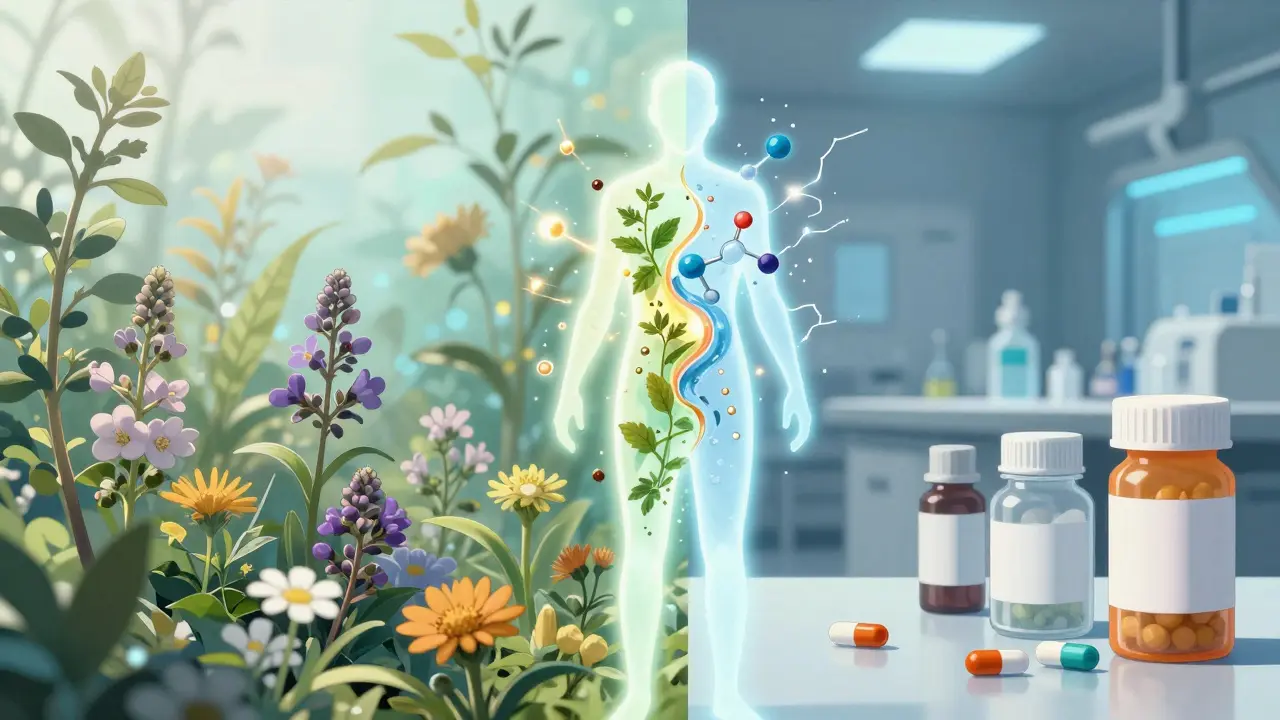
You might think that because a supplement is "natural," it's automatically safe. That's a dangerous misconception. In reality, many botanical products can act like powerful drugs in your body, changing how your prescription medications work. This can lead to a situation where your medicine doesn't work at all, or worse, it becomes toxic. About 70% of adults over 65 use at least one supplement, yet only 25% of them tell their doctor. This knowledge gap is where serious health risks live.
| Supplement | Common Drug Interaction | Primary Risk | Risk Level |
|---|---|---|---|
| St. John's Wort | Antidepressants, Birth Control, Cyclosporine | Reduced drug efficacy / Serotonin Syndrome | High |
| Ginkgo biloba | Warfarin, Apixaban (Blood thinners) | Severe internal bleeding | High |
| Goldenseal | Midazolam, Various CYP3A4 substrates | Toxicity due to slow drug clearance | High |
| Garlic | Saquinavir, Anticoagulants | Reduced antiviral effect / Bleeding | Medium |
| Ginseng | MAOIs, Calcium Channel Blockers | Blood pressure drops / Serotonin Syndrome | Medium |
The Heavy Hitters: Supplements That Change Everything
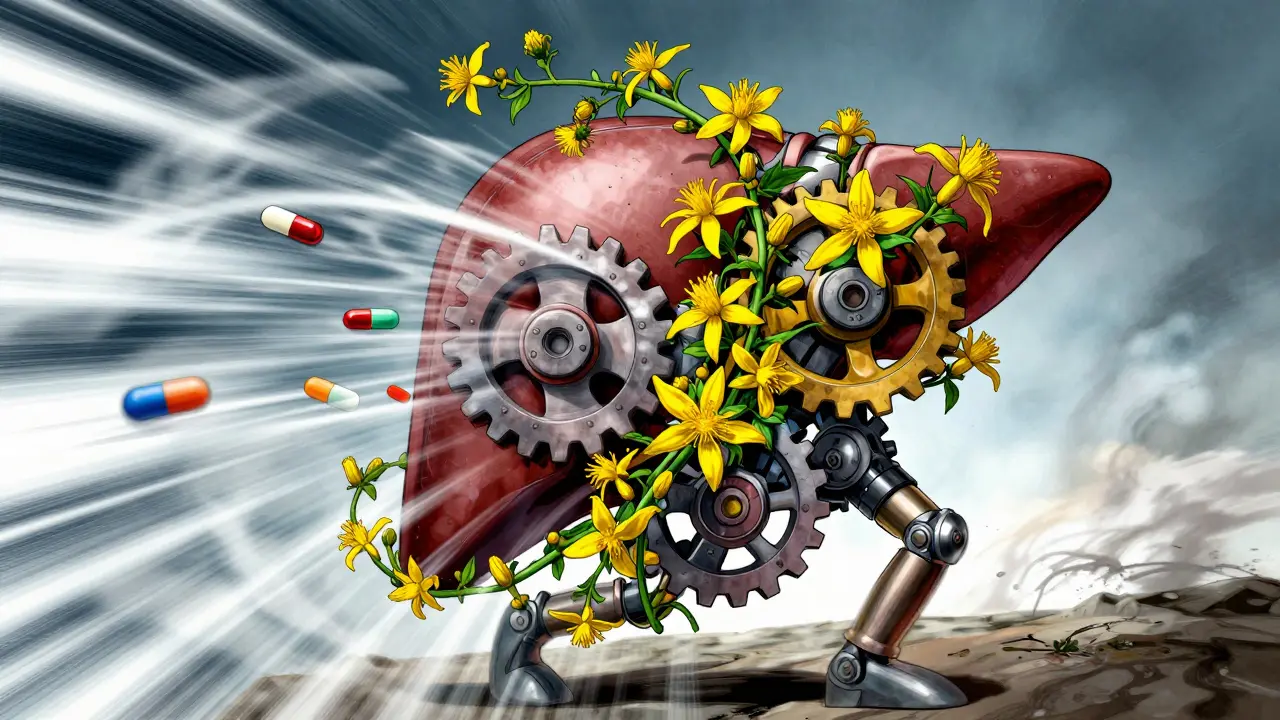
Some herbs don't just nudge your system; they fundamentally rewrite how your liver processes medicine. St. John's Wort is a flowering plant used widely for depression that acts as a potent inducer of liver enzymes. Because it revs up the CYP3A4 enzyme, it flushes other drugs out of your system before they can work. For example, it can slash the concentration of cyclosporine (used to prevent organ transplant rejection) by 50-60% in just two weeks. If you're on oral contraceptives, you might see a 15-30% drop in effectiveness, leading to unintended pregnancies. It's a chemical wrecking ball for over 60 different medications.
Then there is Ginkgo biloba is an extract from one of the oldest living tree species, often used for memory and brain health. While it's great for some, combining it with blood thinners like warfarin or apixaban is a recipe for disaster. It increases the risk of major bleeding by 300% compared to using the medication alone. There are documented cases of people ending up in the ER with severe rectal bleeding because their INR (a measure of how long it takes blood to clot) spiked to dangerous levels like 8.2.
Hidden Dangers in Your 'Health' Stack
You might not even know you're taking these. Garlic supplements are concentrated botanical extracts used for heart health and immunity. When taken in high doses, they can reduce the effectiveness of certain HIV protease inhibitors like saquinavir by over 50%. If you're using a garlic-based "immune support" pill, you're potentially undermining a life-saving antiviral treatment.
Similarly, Goldenseal is a North American herb often used for inflammation and mucosal health. It inhibits the CYP3A4 enzyme, which is the opposite of St. John's Wort. Instead of clearing drugs too fast, it stops them from being cleared at all. A study from the University of Toronto showed a 40% reduction in the clearance of midazolam, meaning the drug stays in your system longer, increasing the risk of overdose or prolonged sedation.
The Danger of 'Synergy' and Serotonin Syndrome
Sometimes, a supplement doesn't block a drug but makes it too strong. This is especially true with mood-altering substances. Combining St. John's Wort or certain types of ginseng with Selective Serotonin Reuptake Inhibitors (SSRIs) or MAOIs can trigger serotonin syndrome. This isn't just a mild reaction; it's a medical emergency characterized by muscle rigidity, tremors, and a fever that can climb above 103°F.
Heart patients need to be equally careful. Hawthorn is a shrub extract used to support cardiovascular function. When combined with beta-blockers, it can cause your blood pressure to tank (hypotension), leaving you dizzy or fainting. Even something as simple as licorice can be risky; if you're taking diuretics for water retention, licorice can worsen potassium depletion, which messes with your heart rhythm.
Why 'Natural' Isn't a Safety Label
The root of the problem is a regulatory gap. In the US, the Dietary Supplement Health and Education Act (DSHEA) of 1994 allows supplements to hit the market without the rigorous pre-market safety testing that prescription drugs undergo. The FDA generally only steps in after people get hurt. This means your "natural" mood booster might contain undeclared drug ingredients or interact with your blood pressure meds in ways that haven't been formally studied in a clinical trial.
Many people assume that because a product is sold in a health food store, it can't be dangerous. However, the National Hospital Ambulatory Medical Care Survey reports roughly 82,000 emergency room visits annually related to supplement adverse events. For older adults, this is particularly acute because their kidneys and livers are already processing medications more slowly.
How to Stay Safe: A Practical Checklist
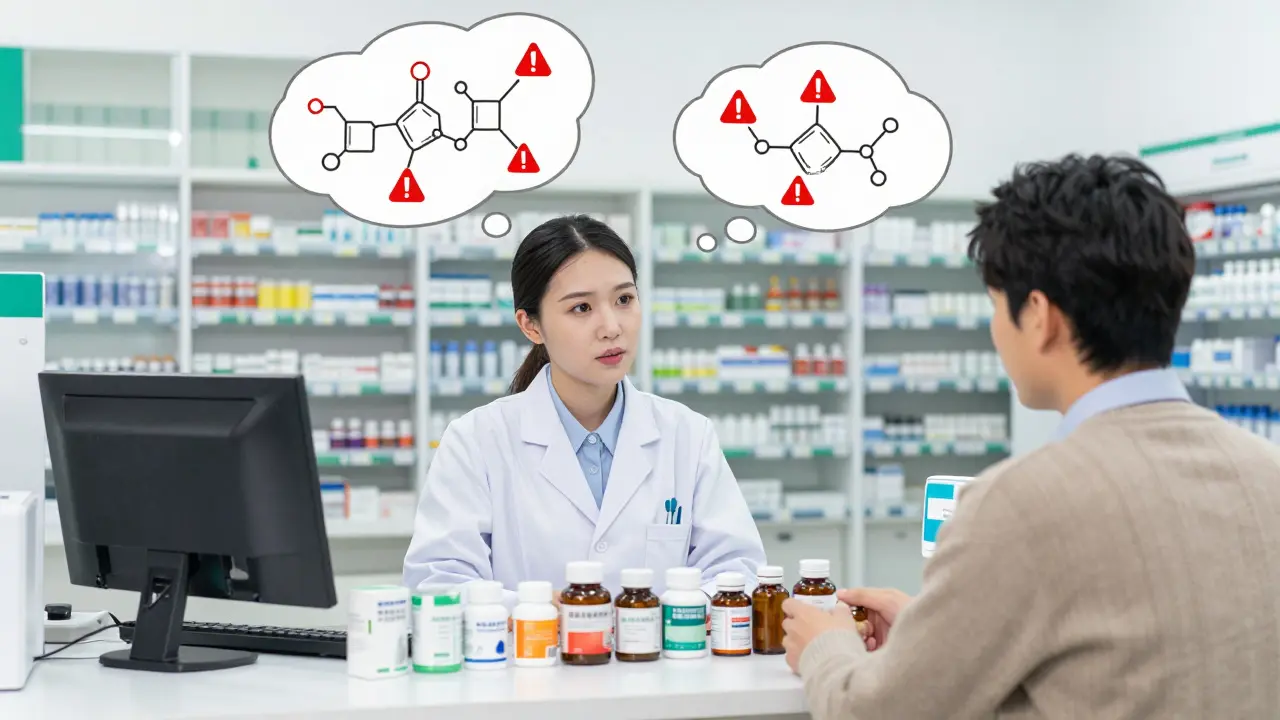
The only way to prevent herbal supplement drug interactions is through total transparency with your healthcare team. Don't assume your doctor knows what's in your cabinet.
- Audit Your Cabinet: List every vitamin, herb, and "wellness tea" you drink. Check the labels for Ginkgo, St. John's Wort, or Garlic.
- The "Three-Way" Check: Ask your doctor, your pharmacist, and check a verified database like the NCCIH Herb-Drug Interaction Checker.
- Watch for Red Flags: If you start a new supplement and feel unusually dizzy, notice unexplained bruising, or experience heart palpitations, stop immediately.
- INR Monitoring: If you take Warfarin, any change in supplement intake (even Coenzyme Q10) requires a blood test within 72 hours to ensure your clotting time is still safe.
Can cranberry juice really interact with blood thinners?
It's a debated topic. Some studies suggest it increases the INR (thinning the blood more), while others find no effect. However, some patients show a clear increase in bleeding risk when drinking 250mL of cranberry juice daily. If you're on Warfarin, it's safer to limit intake and monitor your clotting levels closely.
What is the safest way to start a new herbal supplement?
First, verify the supplement is third-party tested for purity. Second, provide your full prescription list to a pharmacist. Third, introduce the supplement slowly and monitor for new symptoms for at least two weeks, as some interactions (like those with St. John's Wort) take time to manifest in your liver enzymes.
Why does St. John's Wort affect so many different drugs?
It activates a specific enzyme in the liver called CYP3A4. Since this enzyme is responsible for breaking down a huge variety of medications-including birth control, HIV meds, and organ transplant drugs-speeding it up causes those medications to be eliminated from the body much faster than intended.
Are there any "low risk" supplements?
Yes, some are considered lower risk based on current data, such as milk thistle, saw palmetto, and black cohosh. However, "low risk" doesn't mean "no risk." You should still disclose their use, especially if you have kidney or liver disease.
What should I do if I suspect an interaction is happening?
Contact your healthcare provider immediately. If you experience severe symptoms like a fever over 103°F, extreme muscle rigidity, or heavy internal bleeding (such as blood in the stool), go to the emergency room. Bring the bottles of both the prescription medication and the supplement with you.
Next Steps for Your Health
If you're currently taking a combination of herbs and prescriptions, the best move is to schedule a "medication reconciliation" appointment. Bring all your bottles-even the ones you think are harmless-to your pharmacist. They can run your specific list through professional databases to identify high-risk combinations that a general web search might miss. If you're looking for a natural way to support your health, ask your doctor for evidence-based alternatives that won't fight with your prescriptions.