
Quick Summary: What You Need to Know
- Safest Options: Second-generation antihistamines like Loratadine, Cetirizine, and Fexofenadine have minimal transfer to breast milk.
- Pain Relief: Acetaminophen and Ibuprofen are considered low-risk choices for short-term pain management.
- Medications to Avoid: Long-acting NSAIDs like Naproxen and sedating first-generation antihistamines like Diphenhydramine pose higher risks for infant drowsiness.
- Transfer Rates: Most safe options pass into milk at less than 1% of the maternal dose, often making them safe even for premature infants.
- Monitoring: Watch for signs of excessive sleepiness or feeding issues in your baby after introducing new medication.
Navigating Medication Choices as a Nursing Mother
You might be reading this because you've just developed a painful headache or severe seasonal allergies, and you're worried about taking anything that could harm your baby. It is a common fear for any parent, especially during those first few months when everything feels fragile. You want relief, but you prioritize your child's health above your own comfort. This tension between self-care and parenting creates a lot of anxiety. Fortunately, modern medicine has moved far beyond the blanket "no medication allowed" rules of the past.
We now have specific data on how drugs travel from mother to milk. Research shows that not all medications are created equal. Some stay in your bloodstream and hardly touch your milk supply, while others cross over easily. Understanding these mechanics helps you make informed decisions rather than guessing blindly. Let's look at the evidence regarding allergy and pain medications specifically.
How Medications Travel Into Breast Milk
To understand why one pill is safe and another isn't, you need to know how drug transfer works. A medication enters your system through your gut, circulates in your blood, and then some of it moves into your breast tissue. From there, it can end up in the milk. However, several factors block this process. One major factor is protein binding. If a drug sticks tightly to proteins in your blood, it cannot slip into your milk.
Protein binding refers to the degree to which a drug attaches to plasma proteins, reducing the amount available to transfer to the infant.For example, Ibuprofen has a protein binding rate of about 90%. This means almost all of the active drug stays attached to your blood proteins, leaving only a tiny fraction free to enter your milk. Additionally, the size of the molecule matters. Smaller molecules pass more easily than larger ones. This explains why older, simpler drugs often show up in milk more frequently than newer, complex formulations.
Another critical concept is the half-life of the drug. This is the time it takes for the concentration of the drug in your body to reduce by half. Short half-lives mean the drug leaves your system quickly, minimizing exposure to your baby. For instance, a drug with a four-hour half-life clears much faster than one with a twelve-hour half-life, allowing for shorter windows of potential exposure during feedings.

The Safety Hierarchy of Antihistamines
When dealing with allergies, many mothers turn to antihistamines to stop sneezing, itching, and watery eyes. Historically, doctors advised against these because early studies linked them to reduced milk supply or sleepy babies. However, clinical guidelines from the American Academy of Family Physicians (AAFP) have updated significantly based on better testing. We now categorize antihistamines into two main groups based on their side effect profiles.
Second-Generation Antihistamines (Preferred)
The safest category includes non-sedating antihistamines like Loratadine, Cetirizine, and Fexofenadine. These are preferred because they do not cause drowsiness in most users and have very low transfer rates. According to data cited by the Breastfeeding Network, Loratadine transfers at roughly 0.04% of the maternal dose. In plain English, for every tablet you swallow, only a microscopic crumb ends up in the milk. Studies consistently show no adverse effects in infants taking these specific medications via breast milk.
Fexofenadine is slightly different; it is extremely polar, meaning it interacts poorly with cell membranes, making it very hard for it to cross barriers. Consequently, it appears in milk at only 0.02% of the maternal dose. This makes it a top choice for mothers who want zero chance of affecting their baby. Even Cetirizine, while transferring slightly more than Fexofenadine, remains well below dangerous thresholds and is widely listed as safe by organizations like Mayo Clinic.
First-Generation Antihistamines (Use With Caution)
On the other hand, older drugs like Diphenhydramine (often found in Benadryl) and Chlorpheniramine are generally discouraged for regular use. These drugs are highly lipid soluble, meaning they dissolve in fat easily and cross cell barriers effortlessly. This property allows them to reach high concentrations in breast milk compared to safer options.
The primary concern isn't just toxicity; it is the sedative effect. First-generation antihistamines depress the central nervous system. In a nursing infant, this can lead to significant drowsiness. A sleepy baby feeds poorly, and poor feeding leads to insufficient hydration and growth failure. There are documented cases where prolonged use of these drugs caused "failure to thrive" in infants due to missed feedings. Unless you are managing an acute allergic reaction under doctor supervision, these should be avoided for long-term maintenance.
| Drug Name | Generation | Relative Risk | Milk Transfer Rate | Recommendation |
|---|---|---|---|---|
| Fexofenadine | Second | Low | ~0.02% | Preferred choice |
| Loratadine | Second | Low | ~0.04% | Preferred choice |
| Cetirizine | Second | Low | ~0.05% | Preferred choice |
| Diphenhydramine | First | High | Significant | Avoid regularly |
| Hydroxyzine | First | High | Significant | Not recommended |
Selecting Pain Relievers for Mom
Pain management while nursing follows a similar logic to allergy treatment. Mothers frequently experience headaches, dental pain, muscle aches, or joint inflammation. The good news is that simple analgesics are usually the safest bet. When choosing a pain reliever, we look at the risk profile relative to the benefit.
Acetaminophen (Paracetamol) remains the gold standard for pain relief. Research indicates its milk concentration sits around 1% to 2% of the dose taken. While this sounds higher than antihistamines, extensive historical usage data shows no recorded toxic effects on infants. It does not inhibit platelet function, so there is no bleeding risk for the baby. It is generally safe even for mothers nursing preterm infants who have immature liver systems.
Another excellent option is Ibuprofen. As mentioned earlier, it binds heavily to proteins (90%), limiting its passage into milk. Its half-life is short-only about two hours. This means if you miss a feeding, the drug levels drop rapidly. Unlike Aspirin, Ibuprofen does not increase the risk of Reye's syndrome in children. It effectively reduces inflammation and pain without compromising milk supply or infant health.
However, you must be cautious with other NSAIDs (Non-Steroidal Anti-Inflammatory Drugs). Specifically, Naproxen carries a longer half-life (up to 17 hours) and transfers at higher rates, sometimes reaching 7% of the maternal dose. Because it stays in the mother's system much longer, it accumulates in the milk over time. The AAFP warns that prolonged exposure to Naproxen has been linked to rare cases of bleeding or anemia in nursing infants. Therefore, unless prescribed otherwise, stick to Ibuprofen or Acetaminophen rather than multi-day NSAID regimens.
Timing Doses to Minimize Exposure
Even with safe medications, you can take steps to further reduce exposure. Timing your dose plays a key role. Ideally, take your medication immediately after you finish breastfeeding. This gives the longest possible gap before your next scheduled feed. By the time milk starts to produce again, the concentration of the drug in your bloodstream is often peaking and starting to decline.
This strategy relies on the peak serum level. Drugs usually hit maximum concentration in your blood within 30 to 60 minutes after ingestion. If you feed right before taking the pill, you are feeding milk that was produced when the drug was absent or low. You essentially ride out the peak drug levels during the feeding window where the baby sleeps. While not strictly necessary for low-risk drugs like Loratadine, it adds an extra layer of safety for peace of mind.
Avoid splitting doses unnecessarily. Taking one standard dose is always safer than multiple smaller doses spaced throughout the day, as frequent dosing keeps steady-state levels higher in your blood. Always check combination products too. Cold remedies often mix antihistamines with decongestants or cough suppressants. Some of these add-ons, like pseudoephedrine, can dry up milk supply. Stick to single-ingredient products whenever possible.
What to Monitor in Your Baby
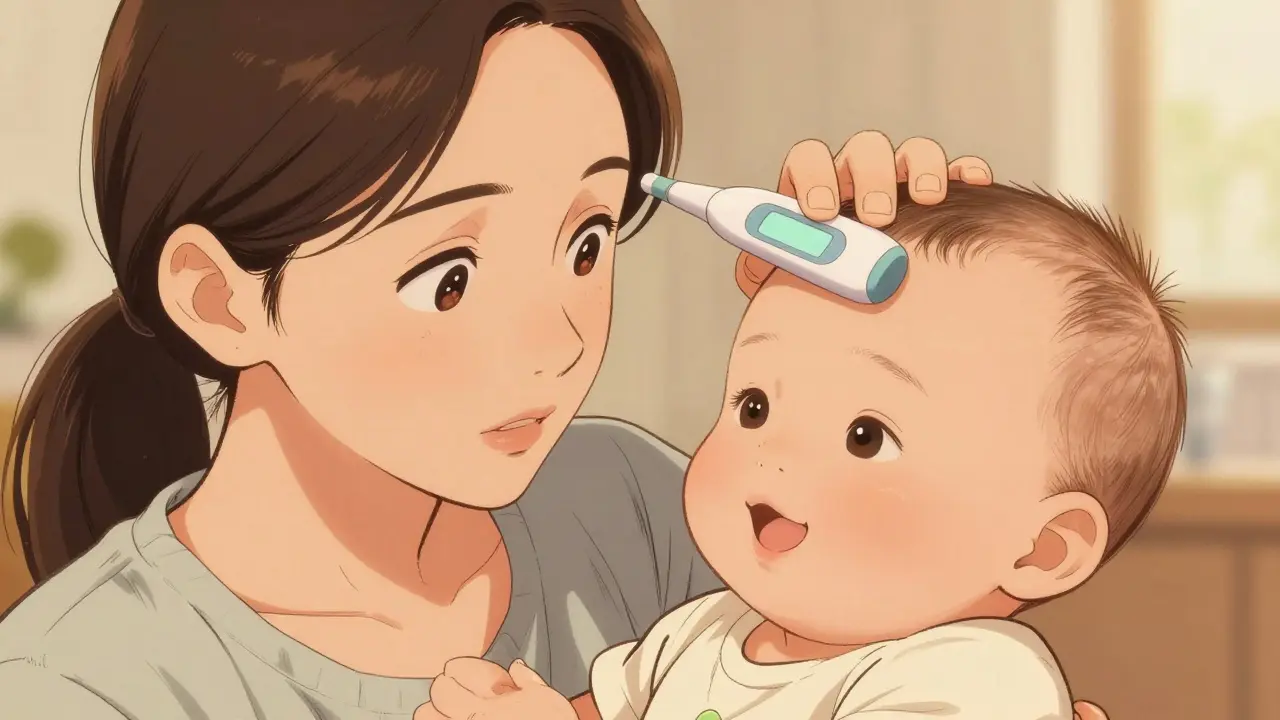
While the science supports these medications, every baby is different. You should monitor for subtle changes in behavior once you start a new medication. Look for unusual lethargy. Is your baby harder to wake up for morning feeds? Are they sleeping significantly longer than usual? Unexplained changes in sleep patterns are the first red flag for sedating antihistamines.
Check feeding effectiveness. Babies might suck weakly if a medication makes them groggy. If you notice the baby seems disinterested in feeding or falls asleep after just a minute of sucking, stop the medication and consult a pediatrician. Also watch for skin changes, such as rashes or hives, though this is rarer with oral transmission. Respiratory depression is another sign, specifically slow breathing (under 12 breaths per minute), although this is extremely uncommon with standard doses.
If you are using these meds for yourself, remember that alcohol increases CNS depression. Never mix alcohol with antihistamines or painkillers while nursing, as this amplifies the sedative effects on both you and the baby. Alcohol also impairs the metabolism of these drugs, keeping them in your system longer than intended. Keep the environment safe and consistent.
Summary of Clinical Guidelines
The consensus among experts, including those referenced in Hale's Lactation Risk Categories, is clear: treatment of maternal illness is compatible with breastfeeding. Untreated illness affects the mother's ability to care for the child, which poses its own risks. Therefore, effective treatment is vital. The current hierarchy suggests Loratadine and Fexofenadine for allergies, and Acetaminophen and Ibuprofen for pain. These provide the best balance between efficacy and safety. If you are currently suffering from chronic conditions requiring stronger meds, discuss alternatives with your provider rather than stopping abruptly.
Frequently Asked Questions
Can I take Benadryl while breastfeeding?
You can take Benadryl (Diphenhydramine) occasionally, but it is not recommended for long-term use. It passes into milk easily and can cause drowsiness and reduced feeding in your baby. Non-drowsy options like Loratadine are safer for daily allergy management.
Is Tylenol safe to take when nursing?
Yes, Acetaminophen (Tylenol) is considered safe. It reaches low concentrations in breast milk and has a long history of use without reported side effects in infants. It is often the first-choice pain reliever for nursing mothers.
Do antihistamines decrease milk supply?
Second-generation antihistamines like Claritin and Zyrtec do not typically affect milk supply. Older drugs like Promethazine or Chlorpheniramine may lower prolactin levels, causing a drop in supply. Always choose non-sedating versions to protect your milk production.
What is the best way to take pills while breastfeeding?
Take the medication immediately after a nursing session. This maximizes the time between ingestion and the next feed, ensuring that drug levels in your blood are decreasing by the time the baby nurses again.
Can I drink alcohol with antihistamines?
No, mixing alcohol with these medications is unsafe. Alcohol slows down the breakdown of drugs, increasing their presence in your system and potentially intensifying side effects like sleepiness in the baby. It also delays milk transfer clearance.
Calvin H
March 31, 2026 AT 07:02Glad they finally updated the charts after people suffered needlessly for decades.
Cameron Redic
April 1, 2026 AT 05:58People suffer from ignorance more than anything else nowadays.
You clearly missed the point entirely.
Michael Kinkoph
April 2, 2026 AT 06:57It is truly refreshing to see someone attempt to educate the masses on pharmacokinetics.
Most people simply swallow pills without understanding the mechanism of action involved.
They do not realize protein binding is the single most important factor here.
Without high protein binding the infant is exposed to toxic levels quickly.
We must always prioritize the safety of the developing nervous system above maternal comfort.
Comfort is temporary while developmental damage is often permanent in nature.
That is why Diphenhydramine remains strictly off limits for most mothers.
The sedation effect is too pronounced in infants who lack metabolic maturity.
It is fascinating how modern guidelines ignore historical failures completely.
They claim zero risk which is a scientifically dishonest statement to begin with.
Risk exists wherever biological systems interact with synthetic compounds.
We should never trust marketing terms like safe without rigorous peer review.
The hierarchy presented is acceptable but still requires professional oversight always.
Parents cannot self medicate responsibly without a deep understanding of half lives.
Ignorance leads to failure to thrive in the most vulnerable populations available.
Therefore we must remain vigilant against complacency regarding dosage timing specifically.
Vikash Ranjan
April 3, 2026 AT 07:17I think you are overstating the danger of older drugs unnecessarily.
Many generations grew up fine with those meds.
Sometimes practical experience beats theoretical models every time.
We should trust what worked for our own families too.
RONALD FOWLER
April 3, 2026 AT 12:58Really appreciate the breakdown here
makes it much easier to read when you are tired from newborn sleep deprivation
Kendell Callaway Mooney
April 4, 2026 AT 08:18Taking the pill right after feeding helps clear the drug before the next milk production cycle starts.
This extra step reduces exposure even further than the math suggests.
Simple tricks make a big difference for peace of mind.
William Rhodes
April 6, 2026 AT 03:08Moms must take care of themselves first!
If you are sick and suffering then you cannot care for your baby properly either.
Using the safest meds is the most responsible choice any parent can make for their family unit.
Dan Stoof
April 8, 2026 AT 00:12Yes!! The optimism here is absolutely wonderful!!!
We must celebrate progress in medical science and support mothers everywhere,
with love and understanding!!!
Biraju Shah
April 9, 2026 AT 04:05Avoid Naproxen at all costs during lactation.
The half life is too long and accumulation happens fast.
Ibuprofen is the only NSAID worth considering regularly.
Marwood Construction
April 9, 2026 AT 15:32Pharmacokinetic studies indicate Naproxen concentration can reach seven percent of the maternal dose in milk samples.
This presents a significant risk profile compared to standard analgesics.
Professional consultation is strongly advised before deviating from standard protocols.